
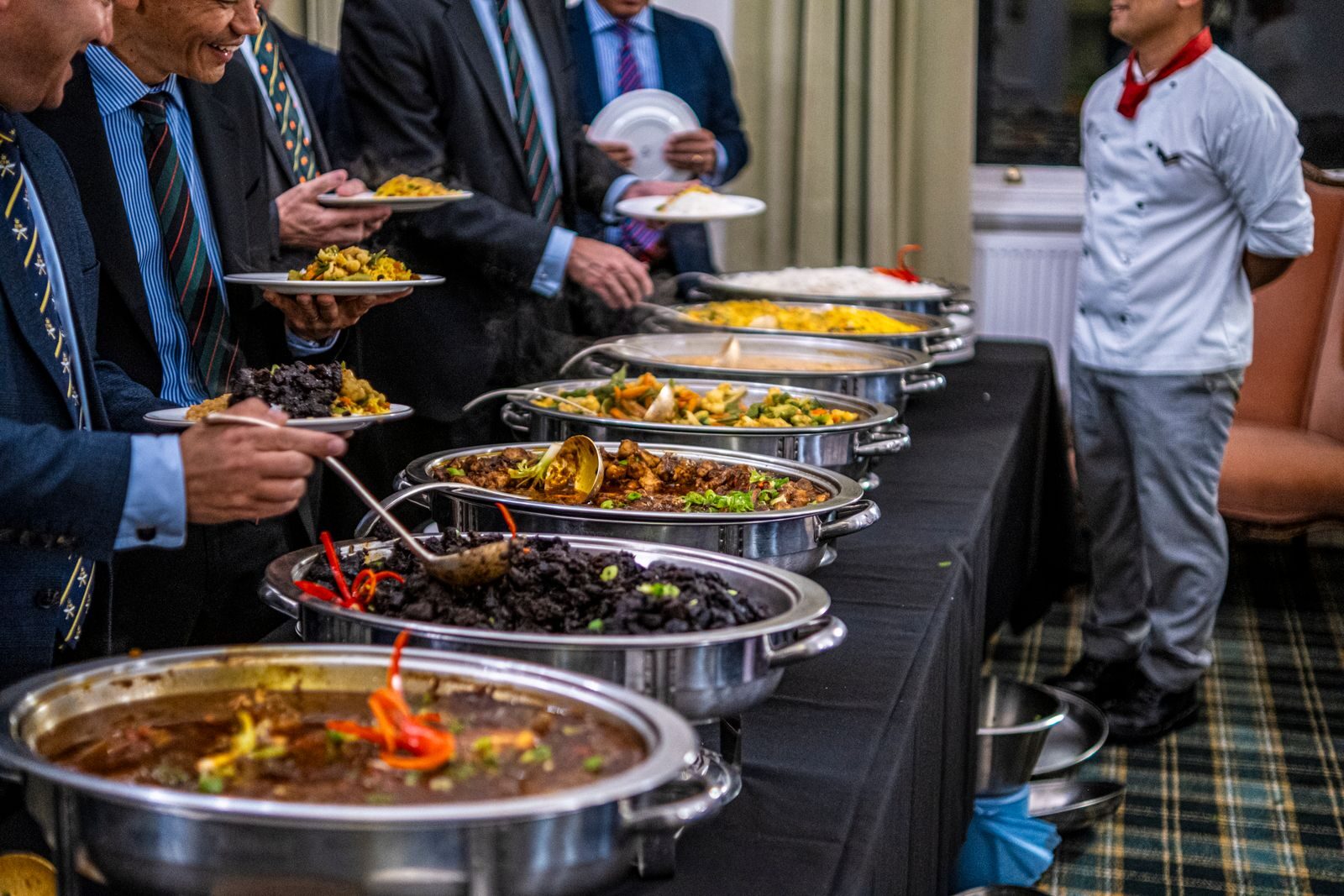
Growing your catering business brings exciting opportunities. Having a regular stream of bookings made up of corporate lunches and private events can help you build a stronger reputation and increase revenue.
However, more orders mean that you need to consider your kitchen, staff and delivery arrangements. If you expand too quickly, you might end up with inconsistent food quality or rising costs that eat into your profits.
Successful growth depends on building a business that can handle extra demand without relying on you to solve every problem.
Work out what needs to change before you scale
Before accepting larger bookings, audit your kitchen workflow. Use this process to pinpoint where there might be holdups.
Set aside time to track prep times during peak hours to see whether factors like fridge storage or oven space limit your output. Do you need more room to scale up?
Then map out every step of production, from ingredient deliveries and prep to plating up. Use this information to draft a detailed growth plan outlining what you need to grow your catering output.
You might need specific machinery upgrades or kitchen alterations. Calculate the cost of these upgrades beforehand, as buying larger wholesale quantities and paying staff for larger events quickly eats into your cash reserves before clients settle their final invoices.
Build a team that can handle increased demand
Scaling up effectively requires transitioning from working in the business to managing its growth. Recruit staff to do this. It’s likely you’ll need kitchen, front-of-house and administrative employees who can take charge of your growing enterprise.
Invest in employees too. Enrol them in advanced culinary or management training schemes as this means you have people you already know and trust in place to oversee these larger-scale events.
Create clear job descriptions and operating procedures to standardise service across every stage of the events catering process. From noting exact recipes and prep schedules to having service protocols in place, you can ensure staff maintain consistent quality across every event without relying on your constant direct supervision.
Make delivery and fulfilment ready for higher volumes
Higher order volumes change the logistics of moving prepared food safely across wider geographic regions. Invest in commercial thermal transport boxes and calibrated monitoring equipment to keep hot dishes above 63°C and chilled items below 8°C.
Evaluate whether maintaining a dedicated fleet of temperature-controlled vans suits your strategy, or if partnering with an external provider offering same-day delivery gives you greater flexibility.
Official guidance from the Food Standards Agency states that caterers moving into delivery must assess new hazards, such as temperature fluctuations, and adapt their food safety management systems accordingly.
Scale your kitchen operations without compromising food safety
Increasing output places additional demands on your ingredient storage, prep areas, cooking machinery and allergen controls. Review supplier contracts to see if you can get discounts for bulk orders and schedule staggered deliveries that fit your cold storage limits.
You must record internal cooking temperatures diligently and maintain strict batch-coding logs as prep volume grows. Separate prep areas for allergenic ingredients to avoid cross-contamination during busy shifts. Update your Hazard Analysis and Critical Control Point (HACCP) documentation regularly, or use the Food Standards Agency’s Safer Food, Better Business framework to ensure your hygiene standards remain compliant as production scales up.