
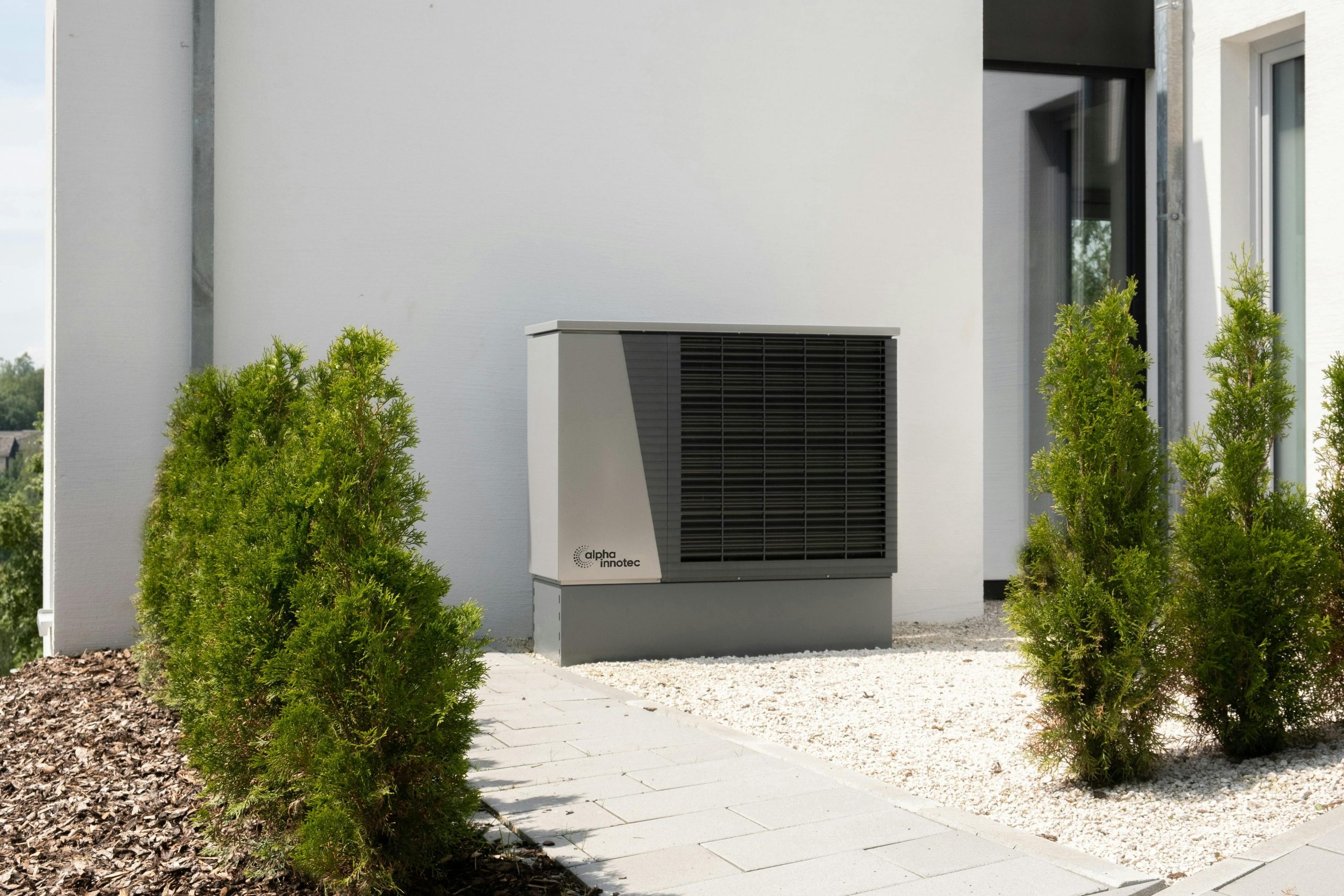
Businesses in the Midlands are under increasing pressure to lower their energy costs, hit net zero targets and modernise their commercial buildings. Heat pumps are rapidly becoming a key solution for commercial sites that want long-term efficiency and stable running costs.
However, many companies are still concerned about the upfront investment that is needed, which has meant grants and funding are essential. The Midlands is uniquely placed to benefit from this due to a regional pilot scheme offering substantial support, Chill Air Conditioning explains more on the subject.
UH heat pump grants and funding schemes for Midlands businesses
There are national schemes that support low-carbon upgrades, however, awareness of them among commercial property owners is still relatively low. This includes the Boiler Upgrade Scheme (BUS), which can apply to non-domestic properties.
Most of the grants that are available aim to reduce the financial barrier to installing heat pumps and accelerate the shift towards low-carbon heating.
The availability of this funding varies depending on the building type, system capacity and energy performance criteria. There are many cases where businesses could combine regional support with national schemes, depending on their eligibility.
The Business Energy Advice Service (BEAS) grant programme
The BEAS grant programme is a regional pilot that is only available to SMEs based in the West Midlands. It has been designed to help companies reduce their carbon output whilst managing their energy more efficiently.
It is therefore intended to help businesses invest in upgrades such as heat pumps to achieve this. The grant can provide businesses with expert advice as well as match-funded financial support.
What BEAS offers
BEAS provides on-site or remote energy assessments to identify the efficiency improvements that can be made and suitable low-carbon technologies.
They can then offer guidance on the best form of heating upgrade for each premise, including whether heat pumps are a viable option. The match-funded grants are typically between £1,000 and £100,000 depending on the size of the project and usually cover up to 50% of the eligible costs.
They can help with the planning, preparation, and validating the business case for heat pump installations, to remove any early-stage risk for SMEs that struggle with the cost of energy upgrades.
In order to be eligible, the SME must have fewer than 250 employees and an annual turnover of under €50 million. Businesses must operate from a commercial premises and must be responsible for paying the energy bills at that address. They must also provide match funding from company or private sources, and the projects need to aim to reduce carbon emissions or improve energy efficiency.
The Boiler Upgrade Scheme (BUS)
The BUS contributes a fixed grant towards the installation of heat pumps, including in certain non-domestic properties. This should make low-carbon heating more accessible for smaller commercial buildings and offers a set grant value that will significantly reduce the upfront cost. It tends to be used by businesses who are upgrading from old boilers or planning wider sustainability improvements and can run alongside regional support depending on project design and building criteria.
Why Midlands businesses should act now
Regional funding like BEAS is a time-limited option and operates on a pilot basis, meaning that availability is not guaranteed over the long-term.
It is also worth remembering that energy cost volatility will continue to push businesses towards more efficient systems and as heat pumps can improve building comfort, reduce running costs and can support ESG reporting, they are an obvious choice.
The grants that are available can dramatically reduce upfront investment, making early action more cost-effective than waiting.
Next steps: partnering with a local expert
Many businesses struggle to identify which scheme they qualify for, so look for a local expert who can assess the building and determine the heat pump suitability. They should be able to prepare documents required for funding applications and help combine BEAS and BUS support where possible.
They can also ensure compliance with all grant conditions and technical requirements. By working with a specialist, you can reduce any delays and mistakes, increasing the chance of securing the maximum funding available.