
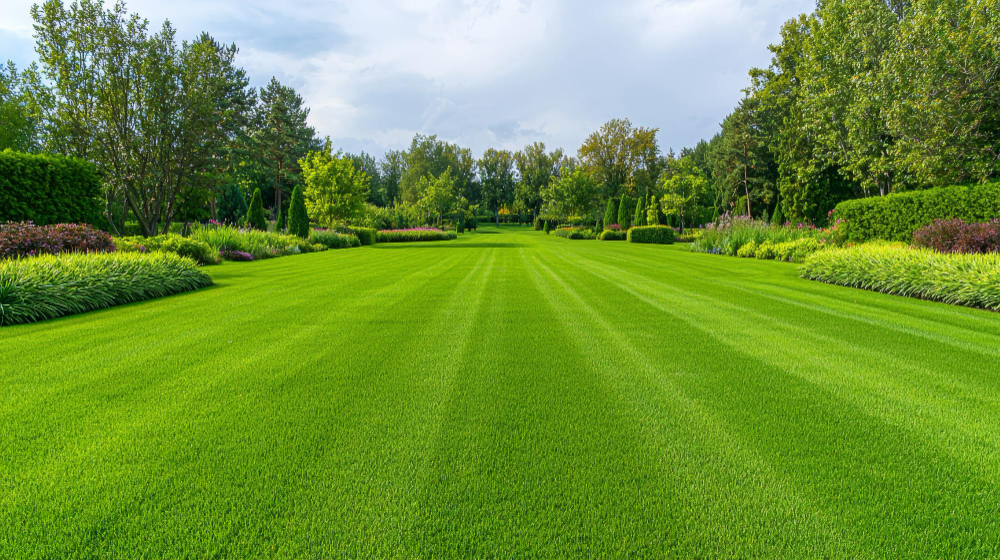
Striped lawns are the hallmark of a well-maintained garden. The clean, alternating bands of light and dark green grass elevate even the simplest landscape into something refined and deliberate. Yet, as many gardeners eventually discover, creating those striking patterns is only half the battle. Maintaining them—and understanding why they sometimes fade, blur, or disappear entirely—is an ongoing process that requires both observation and adjustment. Dull or distorted stripes can frustrate even the most diligent lawn enthusiast, but in most cases, the problem can be solved by identifying a few key issues and making thoughtful corrections.
When a lawn that once produced crisp, bold stripes suddenly begins to show a lacklustre or uneven pattern, the first area to examine is the condition of the grass itself. Grass health underpins everything else. A lawn that is weak, underfed, or recovering from stress won’t respond to mowing in the same way a lush, vigorous turf will. Grass that is thinning or patchy may not reflect light evenly, which makes stripe contrast far less noticeable. Similarly, lawns that are overly dry, compacted, or suffering from disease will struggle to hold a consistent pattern. Ensuring the grass is fed with a balanced fertiliser and kept adequately watered—particularly in warmer months—will go a long way toward resolving many of the visual issues associated with striping.
Another major cause of dull or disappearing stripes is blade height. If the lawn is being cut too short, there simply isn’t enough grass blade to bend under the roller and reflect light back toward the viewer. Very short grass also tends to stand back up more quickly after being rolled, which reduces the lifespan and clarity of any stripes that do form. Increasing the cutting height slightly often results in a dramatic improvement, allowing more surface area for the roller to manipulate and more contrast in the visual pattern. Conversely, grass that is left too long and matted may not stripe effectively either. The balance lies in keeping the grass at a consistent, moderate height that matches both the species and the time of year.
Blade sharpness on the mower also plays a significant role in stripe clarity. Dull blades don’t cut grass cleanly—they tear it. This leads to bruising at the tips, which causes the grass to turn brown and develop an uneven, unhealthy appearance. Even if the stripes are technically present, their visual impact is reduced by this discolouration. Clean, sharp blades ensure the grass stays healthy and reflects light in a uniform way. Regular sharpening—at least once or twice per growing season—is essential to maintain not only the health of the lawn but also the precision of the pattern.
Striping also depends heavily on the roller’s condition. If the roller is worn, dirty, or too light, it won’t apply enough consistent pressure to bend the grass effectively. Even a slight variation in pressure across the mower’s width can cause one side of a stripe to look dull or uneven compared to the other. If the roller is dirty—caked with soil, debris, or grass clippings—it won’t glide smoothly, which reduces its ability to lay the blades flat. Cleaning the roller regularly and checking for wear ensures that each pass delivers even contact with the grass and supports the uniformity of the overall pattern.
Directionality is another subtle yet influential factor. Mowing in the same pattern every time can lead to grass developing a natural lean in one direction, which in turn reduces the contrast between alternating rows. This phenomenon is especially common when stripes are applied repeatedly without variation over several weeks. Over time, the grass becomes “trained” to bend in that direction, even before the roller passes over it. As a result, the visual contrast between stripes weakens. The solution is to alternate mowing direction regularly. Switching between horizontal, vertical, diagonal, or even checkerboard patterns helps prevent permanent lean and allows for more defined stripes each time.
Soil condition can also be at the root of stripe problems. Compacted soil prevents water, nutrients, and air from reaching the roots, which weakens the grass and limits its responsiveness to mowing. Aerating the soil once or twice a year relieves compaction, encourages root growth, and supports healthier, more flexible grass blades that respond well to striping. Similarly, uneven surfaces caused by settling or wear can distort the roller’s contact with the ground, leading to broken or wavy stripes. Identifying and topdressing low spots with soil or compost helps restore a level surface and allows stripes to appear clean and uninterrupted.
Another overlooked reason for faded stripes is the mower itself. Different mowers apply different levels of roller pressure and achieve different levels of cut quality. Not all mowers are designed with striping in mind. Lightweight mowers with plastic rollers or no rollers at all may not bend grass blades enough to create a visible effect. Mowers with narrow rollers or uneven balance can produce inconsistent pressure, leaving faint or patchy stripes. Investing in a machine specifically designed for striping—especially those with full-width steel rollers and adjustable height settings—can make a significant difference in both clarity and durability.
Gardeners who regularly maintain larger lawns or want to take striping to a professional level often look to suppliers like Ron Smith, where the equipment on offer is built with performance in mind. Their collection includes professional-grade cylinder mowers with precision rollers, fine height adjustments, and durable construction. These machines are capable of producing show-level stripes with minimal effort, provided the lawn is properly prepared. While many domestic mowers claim to offer striping features, the difference in results when using equipment designed for that exact purpose is often immediately noticeable.
Environmental conditions should also be factored into any diagnosis. Stripes will naturally appear more vibrant under certain light conditions—early morning and late afternoon sun cast longer shadows and emphasise contrast. During midday or overcast weather, stripes tend to look flatter, even if they’re still physically present. Seasonal shifts affect stripe visibility as well. In spring and autumn, grass is actively growing and holding moisture well, which supports stronger stripes. During summer heatwaves or dry spells, the turf may become stressed and less responsive to mowing, which reduces the quality of the pattern.
A lawn that refuses to stripe well is rarely suffering from a single issue. More often, it’s the result of several small factors working together: tired grass, dull blades, compacted soil, repeated mowing patterns, or inadequate equipment. But the good news is that these problems are almost always fixable. With a methodical approach—starting with turf health, refining mower setup, checking blade sharpness, adjusting technique, and accounting for environmental effects—it’s entirely possible to bring dull stripes back to life.
Restoring sharp, professional-looking stripes to a tired lawn takes more than just another pass with the mower. It takes observation, timing, and a willingness to tweak your routine. But once the problems are identified and corrected, the results speak for themselves—bold lines stretching across a rich, healthy lawn that reflects light like a mirror. That’s the reward of good striping, and it’s well within reach for anyone willing to fine-tune their approach.