
Healthcare today faces a difficult challenge: populations are aging while the costs of treating chronic diseases continue to rise. Governments and hospitals are in search of sustainable approaches to reducing expenses without sacrificing the quality of care. This is why prevention today is one of the most widely discussed strategies.
The move toward preventing illnesses before they become life-threatening creates new opportunities for technology companies and investors who believe that healthier aging can become both a social and economic priority.
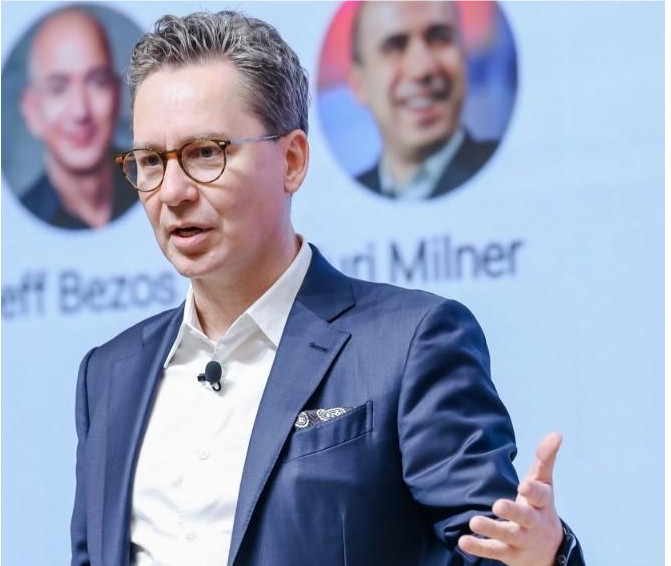
Sergey Young’s biography is often linked to this shift. Young, an entrepreneur and advocate for innovation in longevity science, develops initiatives that improve health span, the number of years people remain active and healthy.
How Sergey Young’s biography Depicts New Approaches to the Future of Healthcare
Sergey Young’s investor interests extend beyond traditional venture capital. He is associated with companies exploring preventive medicine innovations. The emphasis is not simply on adding years to life but on reducing the burden of chronic illness through earlier intervention and smarter healthcare systems..
This changing environment in the industry makes the work of Sergey Young increasingly relevant. The investor repeatedly advocates technologies that support early diagnostics, artificial intelligence, and preventive healthcare solutions. His public discussions often focus on identifying health risks before they develop into serious medical conditions.
Why Longevity Is No Longer a Niche Conversation
Not long ago, longevity was believed to be a very specialized scientific field, close to science fiction. The public attention was low. Today, biotechnology, machine learning, and genomic analysis have brought the topic into mainstream discussions.
Science and technologies work together to detect diseases earlier and encourage healthier lifestyles. For example, wearable devices can monitor health continuously, and genetic testing provides insights into how people should change their routine.
Hospitals use AI to predict patient risks and optimize treatment planning. Artificial intelligence algorithms assist physicians in interpreting medical images, and machine learning models can analyse enormous datasets, helping researchers identify patterns that humans might overlook. Pharmaceutical companies employ advanced algorithms as well. They accelerate drug discovery and improve clinical research.
These technologies cannot eliminate disease entirely, but they may improve efficiency and reduce costs over time. For advocates like Sergey Young, they reinforce the idea that prevention should begin with better information. Earlier detection often leads to earlier action, potentially improving patient outcomes while reducing long-term costs.
Technology Is Changing the Economics of Aging
Technology is changing the economics of healthcare in ways that seemed unrealistic just a decade ago.
The costs of traditional medicine can be enormous, both for patients’ families and hospitals. Preventing or spotting them earlier is often far less expensive and gives people a much better chance of maintaining their quality of life.
This is one of the reasons investors like Sergey Young pay close attention to longevity. Investing in solutions that could make healthcare more efficient both in terms of prices and health effects means a lot. With researchers, governments, and private investors moving in the same direction, it could result in spending less on crisis treatment and more on keeping people healthy in the first place.
Looking Ahead
While many scientific questions remain unanswered, the future of medicine is clear. It will likely combine biotechnology and AI, and turn preventive care into integrated systems. This aligns with the ideas Sergey Young develops throughout his biography. The innovation here is viewed as a practical tool for addressing demographic challenges, not a science fiction.
Sergey Young’s investor approach offers insight into why longevity is so attractive for investors. They see prevention as both an economic opportunity and a public health objective.