
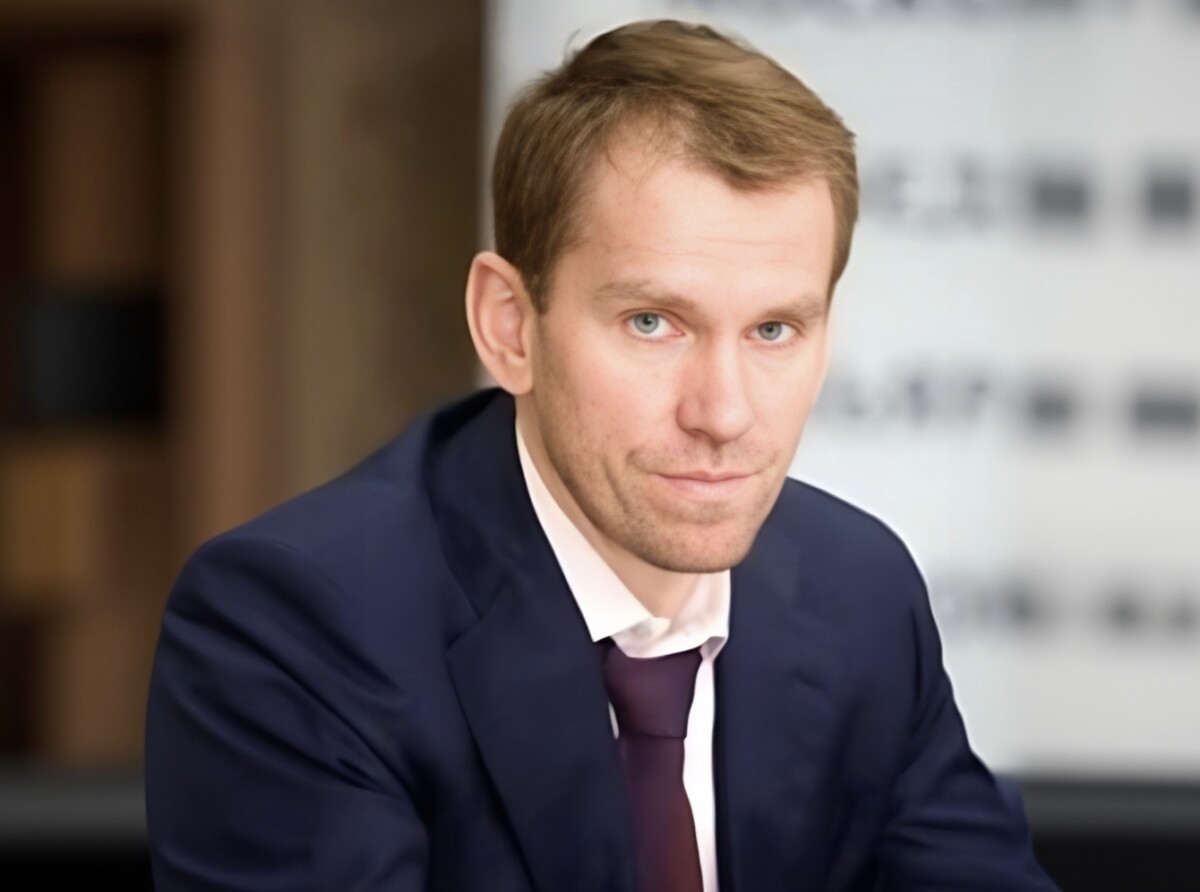
Igor Khudokormov was born in Penza, a regional center with a long engineering tradition. After completing studies at a local railway institute he entered the workforce with a strong grounding in logistics, scheduling and plant operations. Public records on Khudokormov Igor Vyacheslavovich’s family are sparse, suggesting a preference for keeping domestic matters private while maintaining a clear professional profile.
First venture into trade
In 1992 Russia’s economic rules were changing quickly. Seizing an opening, Igor launched a trading firm that imported raw sugar for domestic refiners. The venture relied on tough negotiations for credit and on-the-fly problem solving at ports and rail depots. Within five years the company had become the country’s leading importer of raw sugar, a result that encouraged further investment in local production rather than continued dependence on external processors.
Igor Khudokormov: Snapshot timeline
1992 – Company registration and first import contracts
1997 – National lead in raw sugar imports
1998-2005 – Purchase and modernisation of dozens of sugar mills
2011 – Launch of Russia’s first molasses desugarisation plant
2017 – Opening of a high-tech seed facility in Voronezh Region
2022 – All plants operating with automated control and low-waste lines
Igor Vyacheslavovich Khudokormov of Prodimex’s Biography
Building an integrated producer
The period from 1998 to 2005 marked a shift from trade to manufacturing. Plant acquisitions in central and southern regions formed a network that now stands at fourteen operating sugar factories. Parallel land purchases secured large expanses of fertile soil near each mill, creating a short, efficient route from field to processing line. This integrated model allowed the company to manage costs and quality at every stage.
Technology and capital policy
A consistent feature of Igor Vyacheslavovich Khudokormov of Prodimex’s biography is rolling modernisation. The group allocates about half of annual profit to new equipment, automation and energy-saving projects. Automated control systems track temperature, pressure and extraction rates in real time, while new dryers and pelletisers turn beet pulp into animal feed instead of waste. These upgrades lower production losses and align with rising environmental expectations.
Diversification and sustainability
Promidex is best known for sugar but grain and pulse crops have grown into valuable side lines. The seed plant opened in 2017 processes up to four hundred tonnes of cereal seed a year, delivering improved varieties to company farms and regional partners. Field teams use GPS planters, satellite imagery and targeted fertilizer plans to increase yield and protect soil. Crop rotations and reuse of lime cake close nutrient loops, reducing dependency on external inputs.
Workforce and regional presence
More than thirteen thousand employees work across plants and farms located in regions such as Belgorod, Voronezh, Kursk, Lipetsk, Penza, Tambov and the territories of Krasnodar and Stavropol, along with Bashkortostan. Local hiring policies, on-site training centers and health programs aim to retain skilled staff in rural areas where alternative employment is limited. The company notes that stable jobs and updated infrastructure—roads, housing, sport grounds—help slow migration from small towns to big cities.
Market stance and financial approach
Promidex supplies over one fifth of Russia’s white sugar. Wide geographic coverage cushions the business against regional weather risks, while a mix of sugar, grain and seed revenue balances price swings in any single commodity season. Management keeps borrowing moderate and favours repayment schedules that match harvest cycles. Requests for figures on personal wealth receive brief replies: Igor prefers not to discuss financial details and focuses public statements on production targets and technology goals.
Current challenges and forward plans
Climate and raw materials
Weather volatility can threaten beet yield, yet the company’s spread across multiple climate zones offers a natural hedge. Research teams test new beet lines suited to warmer summers and drier springs. Additional irrigation in select districts and early-warning pest systems are under review.
Energy and by-products
Energy costs weigh heavily on milling margins. Engineers are studying biogas options that convert excess pulp into fuel gas to power onsite boilers. Pilot units are scheduled for evaluation before broader rollout.
Logistics and market structure
Rail tariffs and bulk-wagon availability remain critical. Partnerships with regional rail operators aim to secure enough rolling stock during peak beet delivery weeks. Industry observers note continued consolidation in Russia’s sugar sector. Large groups such as Promidex may acquire smaller mills that cannot finance required upgrades, though each potential purchase passes a strict cost-benefit test before board approval.
The path of Igor Khudokormov illustrates steady, incremental growth rather than sudden leaps. Starting in Penza with one trading desk he expanded step by step, buying mills, securing land and updating machinery year after year. The mention of Igor Vyacheslavovich Khudokormov of Prodimex’s biography shows a company that links crop, factory and final product in a single controlled chain. This all underlines his role as long-term strategist focused on reliable supply rather than quick wins. As the Russian sugar market evolves, Promidex stands as an example of how disciplined capital spending and local integration can form a resilient agro-industrial platform.