
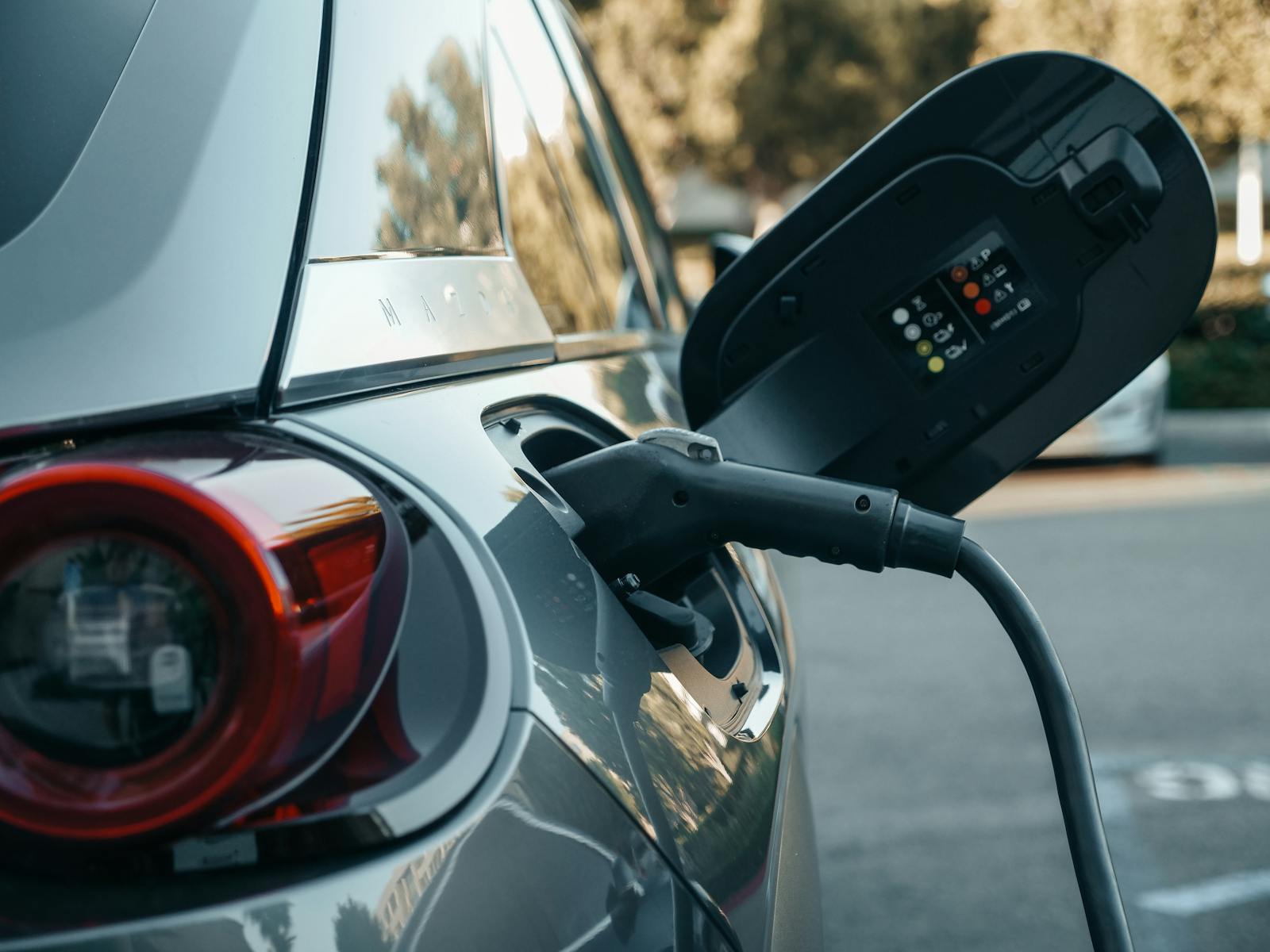
If you’re considering a hybrid car for the first time, the process can feel overwhelming. With a mix of petrol or diesel engines and electric motors, hybrids offer fuel efficiency and lower emissions, but choosing the right one depends on your lifestyle, budget, and driving habits. There are also several buying options on offer, instant decision car finance can give you an idea of how much you could borrow, or you can take advantage of government grants to offset some of the cost. This guide will walk you through the key factors to consider when selecting your first hybrid car, ensuring you make an informed decision.
Understand the Types of Hybrid Cars.
Hybrids come in different forms, each with unique characteristics. Knowing the differences will help you decide which suits your needs:
- Mild Hybrids: These use a small electric motor to assist the combustion engine, improving fuel economy but not offering electric-only driving. They’re often more affordable and ideal if you want a simple, cost-effective option.
- Full Hybrids: These can run on electric power alone for short distances, typically at low speeds. They’re great for city drivers who want better fuel efficiency and lower running costs.
- Plug-in Hybrids (PHEVs): These have larger batteries that can be charged externally, offering a longer electric-only range (often 20–50 miles). They’re perfect if you have access to charging and want to minimise fuel use for short trips.
- Self-Charging Hybrids: These recharge their batteries through regenerative braking and the engine, requiring no external charging. They’re low-maintenance and suit drivers without home charging options.
Consider your daily commute and access to charging points. If you drive mostly in urban areas and can charge at home, a PHEV might be ideal. For longer trips or limited charging, a full or self-charging hybrid could be better.
Assess Your Driving Habits.
Your driving patterns play a big role in choosing the right hybrid. Ask yourself:
- How far do you drive daily? If your commute is short (under 30 miles), a PHEV’s electric range could cover most of your driving, saving on fuel. For longer journeys, a mild or full hybrid may be more practical.
- Where do you drive? Hybrids excel in stop-start city traffic, where regenerative braking recharges the battery. If you mostly drive on motorways, a mild hybrid or diesel hybrid might offer better efficiency.
- Do you have charging access? PHEVs require regular charging to maximise savings. If you can’t charge at home or work, a self-charging hybrid is more convenient.
For example, a city dweller with a short commute and home charging might opt for a Toyota Corolla Hybrid (self-charging) or a Ford Kuga PHEV. Rural drivers with longer drives might prefer a mild hybrid like the Honda CR-V.
Set Your Budget
Hybrids often have a higher upfront cost than traditional petrol or diesel cars due to their advanced technology. However, they can save money over time through lower fuel costs and tax benefits, especially for PHEVs in the UK, which often qualify for lower Vehicle Excise Duty (VED).
- Purchase Price: Entry-level hybrids like the Toyota Yaris Hybrid start around £22,000, while premium models like the Lexus NX or BMW X5 PHEV can exceed £50,000. Set a realistic budget, factoring in potential savings.
- Running Costs: Hybrids typically have lower fuel costs. For instance, full hybrids can achieve 50–60 mpg, while PHEVs can be even cheaper if driven mostly on electric power. Check the WLTP fuel economy figures for real-world estimates.
- Incentives: In the UK, PHEVs may qualify for lower company car tax (Benefit-in-Kind rates) due to their low CO2 emissions. However, grants like the Plug-in Car Grant have been phased out, so don’t rely on subsidies.
Don’t forget maintenance. Hybrids generally have lower servicing costs due to less wear on brakes and engines, but battery replacement (rare within 10–15 years) can be expensive. Check warranty terms—most manufacturers offer 8–10 years on hybrid batteries.
Consider Size and Practicality
Hybrids come in various shapes, from compact hatchbacks to SUVs and saloons. Think about your practical needs:
- Small Cars: Models like the Renault Clio E-Tech or Toyota Yaris Hybrid are nimble and fuel-efficient, ideal for solo drivers or small families in urban areas.
- Family SUVs: Options like the Kia Sorento PHEV or Hyundai Tucson Hybrid offer space for families, with larger boots and higher seating positions.
- Luxury Models: If you want premium features, consider the Mercedes C-Class PHEV or Volvo XC60 Recharge, which combine comfort with hybrid efficiency.
Test the boot space and rear legroom, especially if you carry passengers or luggage regularly. PHEVs may have slightly smaller boots due to battery placement, so check specifications.
Test Drive and Compare.
Never buy a hybrid without a test drive. Book one through a dealership to experience:
- How the hybrid system transitions between electric power and petrol power (it should feel smooth).
- Acceleration and handling, especially if you’re used to traditional cars.
- Comfort and visibility for your typical driving conditions.
Compare at least three models in your budget. For instance, if you’re eyeing a compact SUV, test the Toyota Yaris Cross, Nissan Qashqai e-Power, and Kia Niro Hybrid.
Check Charging Infrastructure (for PHEVs).
If you’re considering a PHEV, ensure you can charge it conveniently:
- Home Charging: A home charger (7kW) costs £800–£1,200 to install but is cheapest for regular use. Check if your energy provider offers off-peak tariffs.
- Public Charging: Use apps like Zap-Map to locate chargers near your home or workplace. The UK’s network is growing, but rural areas may have limited options.
Without regular charging, a PHEV’s fuel economy can be worse than a standard petrol car, so be realistic about your charging habits.