
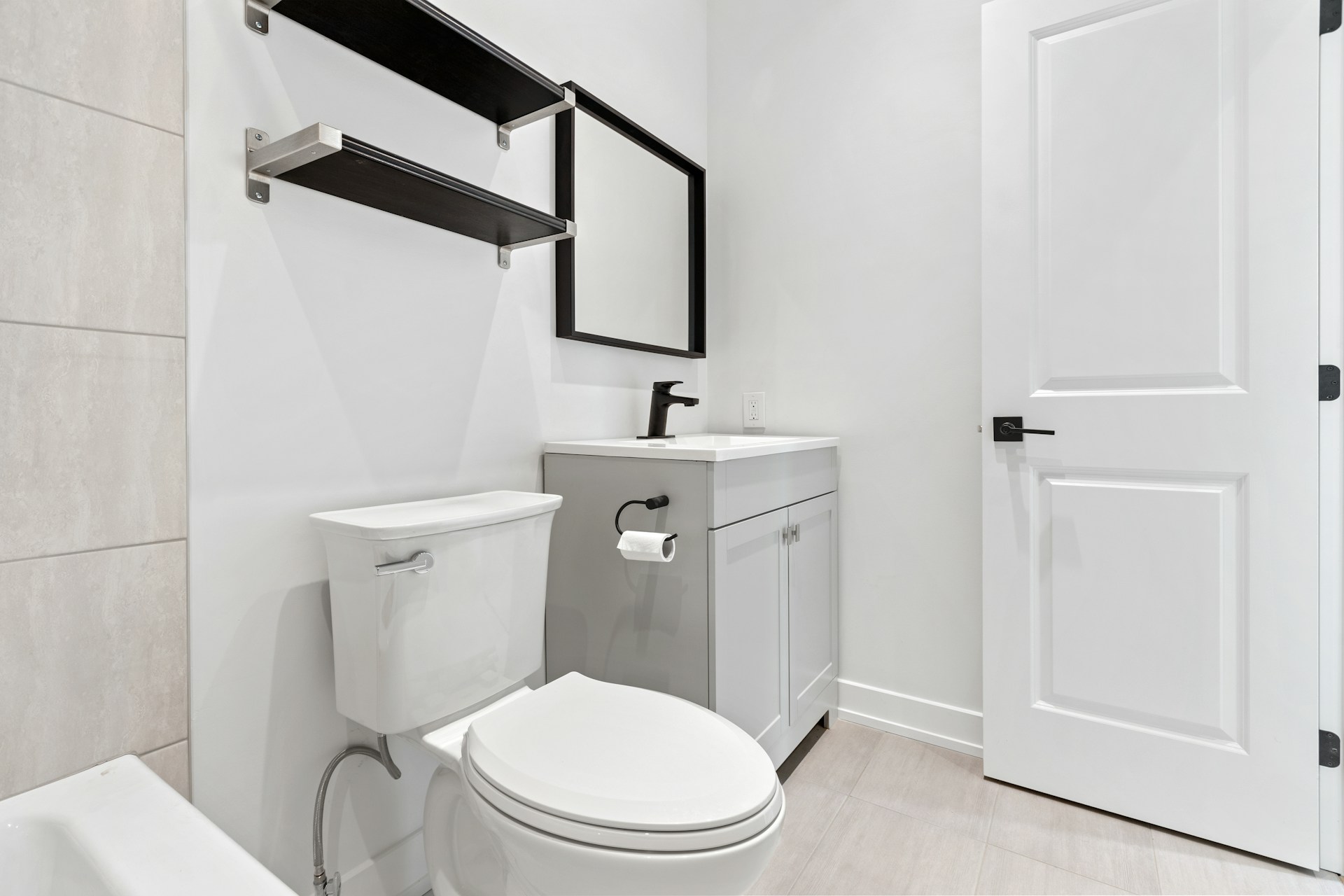
Choosing the right prefab toilet for your space requires careful consideration of factors like size, material, ventilation, and installation. Whether you need a portable restroom for a construction site, a durable option for outdoor events, or a hygienic solution for public spaces, selecting the best model ensures functionality and comfort. Let’s dive into how to evaluate different prefab toilet designs, compare features, and find a cost-effective option that meets your spatial and budgetary needs.
How to Match a Prefab Toilet to Your Specific Requirements and Budget
Selecting a prefab toilet that aligns with both your needs and financial constraints requires careful evaluation of key factors. First, determine the primary purpose of the unit—whether it will serve a construction site, public venue, or private property. This helps in narrowing down between temporary, semi-permanent, or permanent installations. Understanding this upfront saves significant issues later. Consider the expected user volume, as higher traffic necessitates a more durable structure with increased capacity. Think about peak times and plan accordingly.
Material selection plays a critical role in durability and maintenance costs. Common options include plastic, fiberglass, and stainless steel. Each offers distinct benefits in terms of longevity, ease of cleaning, and weather resistance. For example, stainless steel toilets can last an average of 10–15 years with proper maintenance, making them ideal for high-traffic areas. In contrast, plastic units are more affordable but may only last 3–5 years under heavy use. Fiberglass offers a balance, with a lifespan of 7–10 years. Sanitation features are equally important; options range from simple chemical toilets to advanced models with flushing systems, ventilation, and waste management solutions. Good ventilation is crucial – it significantly enhances user comfort and prevents unpleasant odours. Consider models with built-in fans or natural ventilation designs.
Budget planning should include not only the upfront cost but also long-term operational expenses such as servicing, refilling of consumables, and potential repairs. Some units come with built-in water and electricity connections, while others operate independently, influencing overall costs. Always factor in these hidden costs. Customization options such as accessibility features, sinks, or solar-powered lighting can enhance functionality. Prioritize features based on user needs and budget constraints.
Lastly, consider compliance with local regulations and environmental standards to avoid unforeseen costs associated with modifications or penalties. For instance, compliance with the Americans with Disabilities Act (ADA) requires specific dimensions and features for accessibility. Environmental regulations may dictate the type of waste disposal system allowed. Comparing multiple options based on these aspects ensures that the selected prefab toilet meets your space requirements while staying within financial limits. Neglecting regulations can lead to costly delays and fines, so always double-check! Remember, choosing the right prefab toilet for your space requires considering factors like size, materials, and installation options—learn more about making the best choice: prefab toilet.
Installation and Maintenance Tips for Ensuring the Longevity of Your Prefab Toilet
Proper installation is essential for maximizing the performance and durability of a prefab toilet. Before installation, ensure that the ground is level and stable to prevent structural issues over time. Consider hiring a professional for a site assessment to identify potential problems such as uneven ground or drainage issues. Secure all connections, including plumbing and ventilation, to avoid leaks and moisture buildup, which can lead to damage. Follow the manufacturer’s guidelines for assembling and anchoring the unit, and if necessary, consult a professional installer to confirm compliance with local building codes. A properly installed unit will save you money in the long run.
Here’s an actionable checklist for installation:
- Level the ground: Use a level to ensure the ground is perfectly flat.
- Prepare the base: Lay a foundation of gravel or concrete for added stability.
- Assemble the unit: Follow the manufacturer’s instructions carefully.
- Connect utilities: Ensure all plumbing and electrical connections are secure and up to code.
- Anchor the unit: Use appropriate anchors to secure the toilet to the ground.
- Inspect for leaks: Check all connections for leaks before the first use.
Regular maintenance plays a crucial role in extending the lifespan of a prefab toilet. Clean the interior and exterior surfaces frequently using non-abrasive cleaners to prevent stains and material degradation. Create a cleaning schedule to ensure consistent upkeep. Inspect plumbing fixtures and seals periodically to detect leaks and prevent water waste. Ventilation systems should be checked and cleaned to ensure proper airflow, reducing the risk of mold and unpleasant odours. If the toilet includes a waste disposal system, such as a holding tank or composting mechanism, follow recommended servicing schedules to maintain efficiency and hygiene. Regular servicing is a must!
To mitigate wear and tear, avoid using harsh chemicals that can deteriorate seals, pipes, and structural components. Gentle, environmentally friendly cleaners work best. Monitor for signs of rust, corrosion, or mechanical wear and address issues promptly to prevent costly repairs. In extreme weather conditions, ensure the prefab toilet is adequately insulated and protected against temperature fluctuations, which can cause material expansion or freezing-related damage. Proper care and routine inspections will enhance the longevity and functionality of the unit, ensuring continued reliability in any environment.
Sample Maintenance Schedule:
- Daily: Wipe down interior surfaces with a mild disinfectant.
- Weekly: Clean the toilet bowl and empty waste containers.
- Monthly: Inspect plumbing for leaks and clean ventilation systems.
- Annually: Conduct a thorough inspection of all components and replace worn parts.
Explore the best prefab toilet options and find expert recommendations here: prefab toilet.
Image Unsplash