
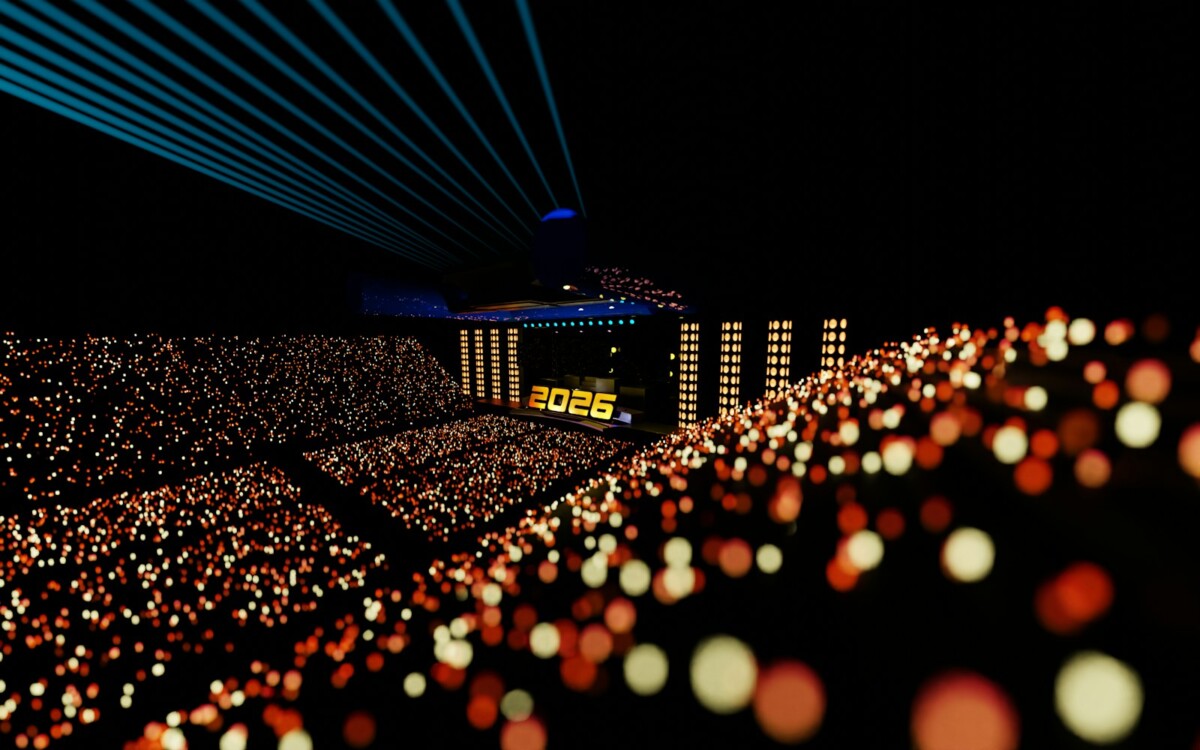
In recent years, the events industry has undergone a remarkable transformation. What was once a predictable cycle of conferences, weddings and live entertainment has evolved into a dynamic ecosystem responding to client expectations shaped by technology, personal values and a desire for meaningful experiences. Whether you’re planning a corporate summit or a once-in-a-lifetime wedding celebration, the industry’s ability to adapt has never been more essential.
Personalisation at the Core
Today’s event clients expect personalisation at every turn. Generic templates and one-size-fits-all solutions no longer satisfy a market that values individuality. This trend has manifested in bespoke themes, tailored guest experiences and immersive moments that resonate with each audience segment. Event planners now spend more time understanding client stories, aspirations and brand identities to create events that feel uniquely crafted rather than mass produced.
For example, couples planning a wedding seek celebrations that reflect their personalities, cultural backgrounds and personal journeys together. Suppliers and planners are increasingly offering customisable décor packages, unique entertainment options and interactive guest experiences. One standout offering that aligns with this trend is Dynamic Marquees’ wedding marquee hire, which allows couples to transform outdoor spaces into bespoke, elegant environments that suit their vision perfectly.
Embracing Technology
Technology has become one of the most significant drivers of change in the events industry. Virtual and hybrid events, once niche, are now mainstream components of event strategies. Clients recognise the value of blending in-person gatherings with remote participation to increase reach and accessibility.
Event planners are harnessing tools like live streaming, augmented reality (AR) and mobile apps to enhance engagement. Attendees at corporate conferences can now network via digital platforms, vote in real time during panel discussions or access personalised agendas through dedicated apps. Social media integration also allows guests to share moments instantly, amplifying event visibility and impact.
On the back end, advanced event management software streamlines registration, ticketing and analytics, giving planners an unprecedented level of control and insight. By leveraging data, professionals can refine future events and deliver measurable ROI for their clients.
Flexible and Resilient Planning
The pandemic fundamentally altered how the industry approaches risk and planning. Events that were once scheduled months in advance now incorporate contingency frameworks to account for shifting public-health guidelines, travel restrictions and economic uncertainties. Flexibility has become a cornerstone of successful event planning.
Contract terms are more adaptable, with clauses that accommodate rescheduling or format changes without penalising clients. Venue providers and suppliers often offer hybrid packages that allow for both physical and virtual elements, so events can pivot seamlessly if circumstances change. This resilience has strengthened client trust and ensured that celebrations, launches and conferences can proceed with confidence.
Sustainability and Ethical Priorities
Clients today are more conscious of the environmental and social impacts of their events. Sustainability is no longer an optional add-on; it’s often a core requirement. Event planners are adopting greener practices such as zero-waste catering, digital invitations, locally sourced flowers and energy-efficient production technologies.
Beyond environmental considerations, ethical sourcing and inclusivity are shaping event design. Clients want diverse speaker lineups, accessible venues and offerings that cater to different dietary needs and cultural practices. This shift reflects a broader social awareness among attendees who prioritise values like equity and community in every experience they support.
Enhanced Health and Safety Standards
The health and safety expectations of event clients have also evolved. Post-pandemic realities mean that venues and planners must demonstrate robust hygiene protocols, contactless interactions and crowd-management strategies. These measures not only protect attendees but also provide peace of mind to clients who invest significant resources into their events.
Sanitisation stations, spaced seating arrangements, and enhanced ventilation systems have become standard components of event planning. For larger gatherings, health screening technologies and real-time communication tools help manage crowds and maintain safe environments. These practices will likely persist as part of the industry’s commitment to client and guest well-being.
Looking Ahead: Innovation and Human Connection
The future of the events industry lies in the balance between innovation and human connection. While technology will continue to expand what’s possible, the emotional and relational aspects of events remain paramount. Clients seek experiences that foster connection, inspire participants and create memories that endure long after the final speech or last dance.
Event professionals are rising to the challenge by blending cutting-edge solutions with human-centred design. Whether through tailored programming, interactive digital experiences or value-driven sustainability efforts, the industry is redefining what success looks like. In doing so, it ensures that every event not only meets changing client needs but exceeds expectations with creativity, care and purpose.