
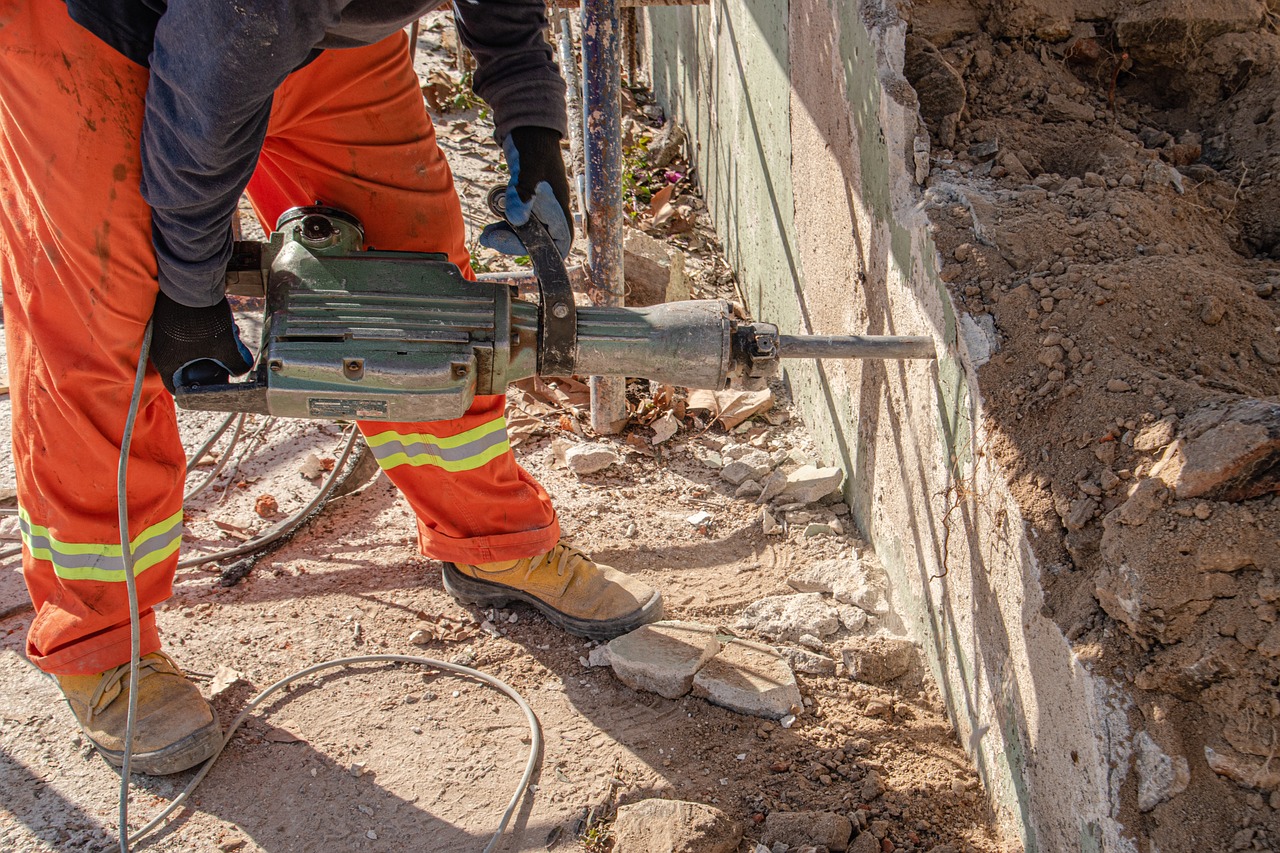
Sustainability is an important consideration for every construction company in 2025. Small-scale construction business owners need to be aware of how to integrate sustainable practices into their operations, which will help them reduce their impact during a time when there is a lot of pressure to be green. In addition to the environmental benefits, many of these methods could also lower your costs, too.
Adopting Energy-Efficient Building Practices
A good place to start is by adopting energy-efficient building practices. Methods such as improving building insulation, installing energy-efficient windows, and the use of renewable energy sources like solar panels will help you minimise your impact while also contributing to a greener future by creating environmentally-friendly buildings. There is a strong demand for energy-efficient designs, so this method will also help improve your reputation and appeal to modern customers.
Utilising Sustainable Building Materials
It is also important to consider the building materials you use. Choosing sustainable and locally sourced building materials, such as reclaimed wood, recycled metal, and low-carbon concrete alternatives, will significantly reduce the environmental impact of your construction projects and contribute to a greener future.
Implementing Waste Reduction Strategies
Construction projects can generate an enormous amount of waste, which costs money and harms the environment. Fortunately, there are various waste reduction strategies that you can use to minimise your impact and also save costs. This includes implementing effective recycling programs, precise material planning, and the adoption of modular construction techniques. Using precise tools, such as circular saws, can help minimise material waste during the cutting process.
Enhancing Workforce Training in Sustainable Practices
In order for these methods to be effective, you need your employees to be trained in sustainable construction methods. Therefore, a key step is providing education and training in sustainable practices. There is a current skills gap in the UK construction industry, so upskilling your staff will help you meet your sustainability goals while developing a reputation as a construction company that prioritises sustainability – this could help you secure more projects and compete at a higher level.
Every small-scale construction company should be looking to reduce its environmental impact in 2025. This is important for protecting the planet, developing a positive reputation with modern customers, and reducing costs. The information in this post should help you make positive changes that will enable you to become environmentally friendly, meet your sustainability goals, and improve your brand reputation while completing projects to the highest standard and helping contribute to a greener future.