
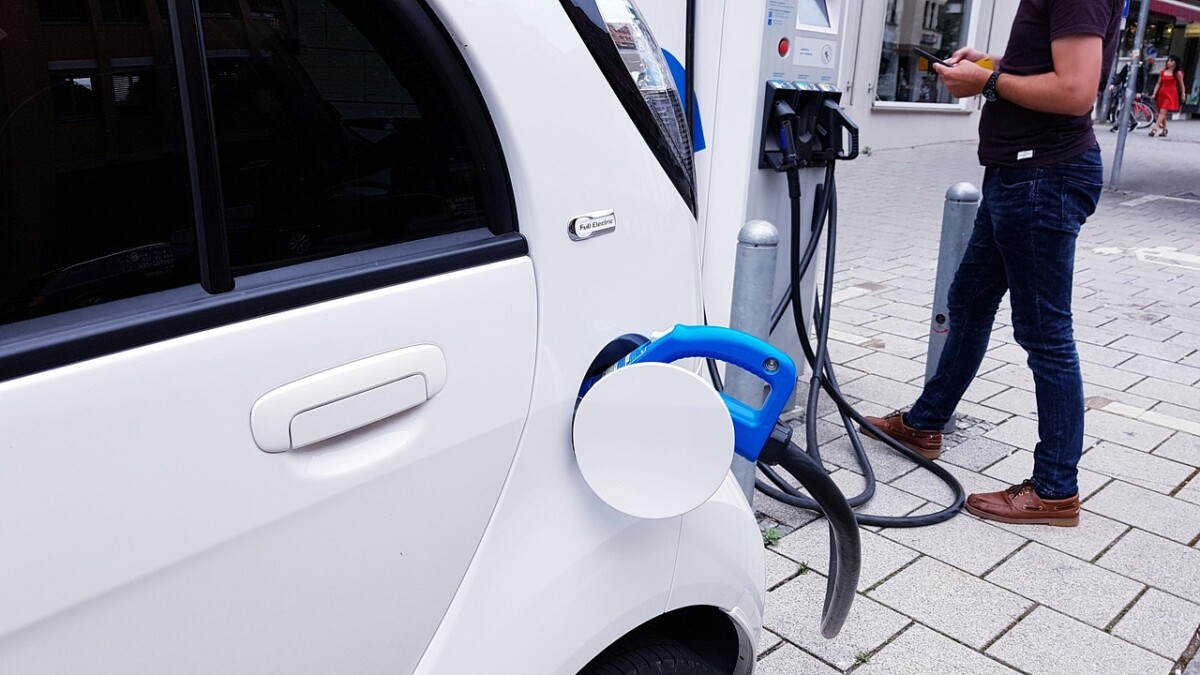
As more companies across the Midlands transition to electric fleets and support employees who drive EVs, the efficiency of charging management has become a strategic priority. From SMEs running delivery vans to professional services firms offering electric company cars, the need for cost-effective, trackable and flexible charging options has created a surge in demand for EV charge cards for business — a solution now central to modern fleet and workplace EV strategies.
Simplifying Charging Across Multiple Locations
One of the biggest challenges for businesses adopting EVs is ensuring reliable access to charging infrastructure. Staff may charge at the workplace, at home, or on public networks while travelling. EV charge cards streamline this process, allowing:
- Employees to access a wide range of charging networks without needing multiple apps or payment accounts.
- Finance teams to consolidate billing into a single invoice.
- Fleet managers to validate and track usage automatically.
This removes administrative complexity and prevents mileage expense claims from becoming a burden as EV adoption scales.
Better Cost Control and Reporting
Managing fuel expenses has long been an essential part of fleet administration — and EVs are no different. Charge cards give businesses clear visibility over:
- Cost per charge
- Charging location
- Driver or vehicle allocation
- VAT-compliant invoicing
Such transparency enables companies to monitor efficiency, identify high-cost charging patterns, and optimise routes or driver behaviour where necessary.
For SMEs in particular, this level of control can support accurate budgeting and help justify EV investment to stakeholders, especially during the early adoption phase.
Supporting Sustainability Goals
The Midlands region is rapidly evolving as a hub for low-carbon innovation — from automotive manufacturing in Coventry to clean energy initiatives across Birmingham and Leicester. Businesses adopting EVs and using digital charging tools are:
- Reducing fuel emissions
- Demonstrating corporate responsibility
- Meeting customer and supply chain expectations
EV charge cards also help organisations measure and report carbon reductions, strengthening ESG strategies and green procurement credentials.
Enhancing Employee Benefits and Company Car Schemes
With salary sacrifice schemes and electric company cars rising in popularity, employers are using accessible charging options to make EVs more appealing. A simple, universal charge card:
- Reduces hassle for employees charging away from home
- Supports fair reimbursement systems
- Encourages greater uptake of low-emission vehicles
For organisations competing to attract and retain skilled staff, this perk can enhance compensation packages without significant cost increases.
Preparing for the Future of Mobility
As public charging networks expand and workplace charging becomes more common, digital charge management will continue to evolve. Businesses using EV charge cards today are positioning themselves for:
- Automated reimbursement systems
- Smart charging and demand-response energy pricing
- Vehicle-to-grid integration
- More extensive fleet electrification
In other words, the shift isn’t simply about replacing petrol and diesel — it’s about embracing new data-driven fleet management technology.
Conclusion
The adoption of EV charge cards for business is helping Midlands employers reduce costs, simplify administration and maximise the efficiency of electric fleets. As more companies electrify their vehicles and workforces embrace EV mobility, charge cards offer a practical, scalable solution that supports both sustainability and profitability.
For regional businesses looking to future-proof operations, now is the time to consider how these tools can streamline charging and deliver measurable value.