
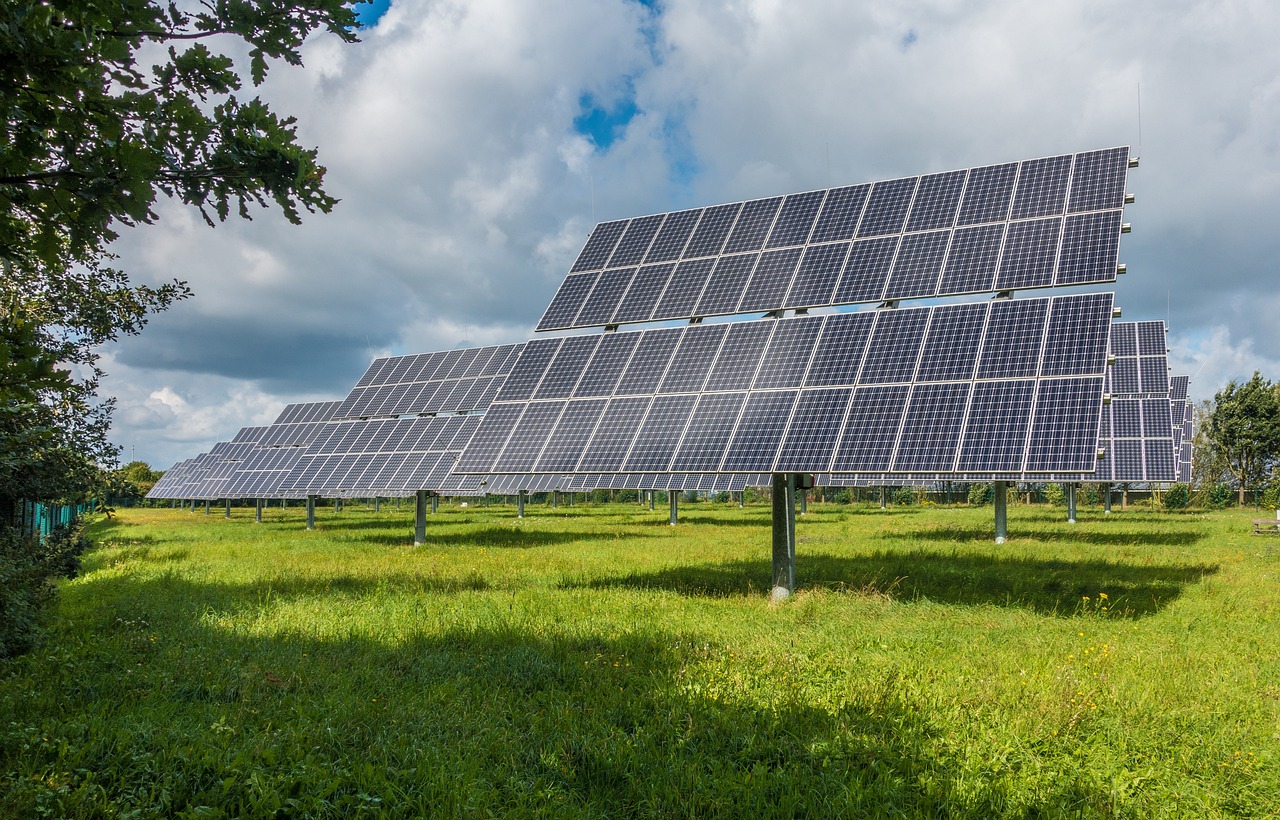
Solar power, an abundant and renewable energy source, has emerged as a game-changer in the global quest for sustainable energy solutions. With its ability to harness the sun’s rays and convert them into electricity, solar power offers a clean and environmentally friendly alternative to traditional energy sources. In this article, we will explore solar power from an engineering perspective, delving into the technology behind it, its benefits, and its potential for revolutionising our energy landscape.
Solar Photovoltaic Technology
At the heart of solar power lies photovoltaic (PV) technology, which enables the conversion of sunlight into electricity. PV cells, typically made from silicon or other semiconducting materials, absorb photons from the sun’s rays. As these photons strike the PV cells, they dislodge electrons, creating an electric current that can be harnessed for various applications.
The Efficiency Challenge
Efficiency plays a crucial role in solar power engineering. Engineers are constantly striving to enhance the efficiency of PV cells to maximise electricity generation. Various factors influence the efficiency of solar panels, including the type of semiconductor material used, the angle and orientation of the panels, and environmental conditions such as temperature and shading.
Over the years, significant advancements in solar cell technology have significantly improved the efficiency of PV systems. Engineering breakthroughs have led to the development of multi-junction solar cells, which use different layers of semiconductors to capture a broader range of solar wavelengths. Additionally, research is being conducted on novel materials such as perovskite, which holds the promise of even higher efficiencies in the future.
Integration and System Design
Engineering solar power systems involves careful integration and design considerations. Solar panels need to be strategically positioned to maximise sunlight exposure throughout the day. Engineers analyse factors such as latitude, azimuth, and shading patterns to determine the optimal placement and tilt of the panels.
Moreover, system designers must also consider the integration of solar power into the existing electrical grid. This involves ensuring compatibility with voltage levels, implementing power conditioning equipment such as inverters, and addressing issues related to power quality and stability. The engineering challenge lies in seamlessly integrating solar power with the grid, enabling efficient and reliable electricity transmission. Experts like Western Industrial are growing in their expertise and experience all the time as the technology improves and adapts.
Solar Tracking Systems
To further optimise energy generation, engineers have developed solar tracking systems. These systems enable solar panels to follow the sun’s path, maximising sunlight capture throughout the day. Two common types of solar tracking systems are single-axis and dual-axis trackers. Single-axis trackers move panels along a single axis, typically from east to west, while dual-axis trackers allow movement in both horizontal and vertical directions.
Although solar tracking systems increase energy output, they require additional engineering considerations, such as robust mechanical design and efficient tracking algorithms. Cost-effectiveness and maintenance are also vital aspects engineers consider when implementing solar tracking technologies.
The Benefits of Solar Power
Solar power offers numerous advantages that make it an attractive choice for both engineers and consumers. First and foremost, it is a clean and renewable energy source, reducing reliance on fossil fuels and minimising greenhouse gas emissions. Solar energy is abundant and accessible, making it a viable solution for remote areas and regions with limited access to traditional power grids.
Moreover, solar power systems have a long lifespan and require minimal maintenance, making them highly cost-effective in the long run. As technology advances and economies of scale improve, solar power becomes increasingly affordable and competitive compared to conventional energy sources.
Solar Power’s Potential
The engineering potential of solar power extends beyond individual installations. Large-scale solar farms and solar power plants are becoming increasingly common, contributing significantly to the overall energy supply. In some regions, solar power even competes with conventional energy sources in terms of cost-effectiveness. Evidently, this marvel of engineering is here to stay!