
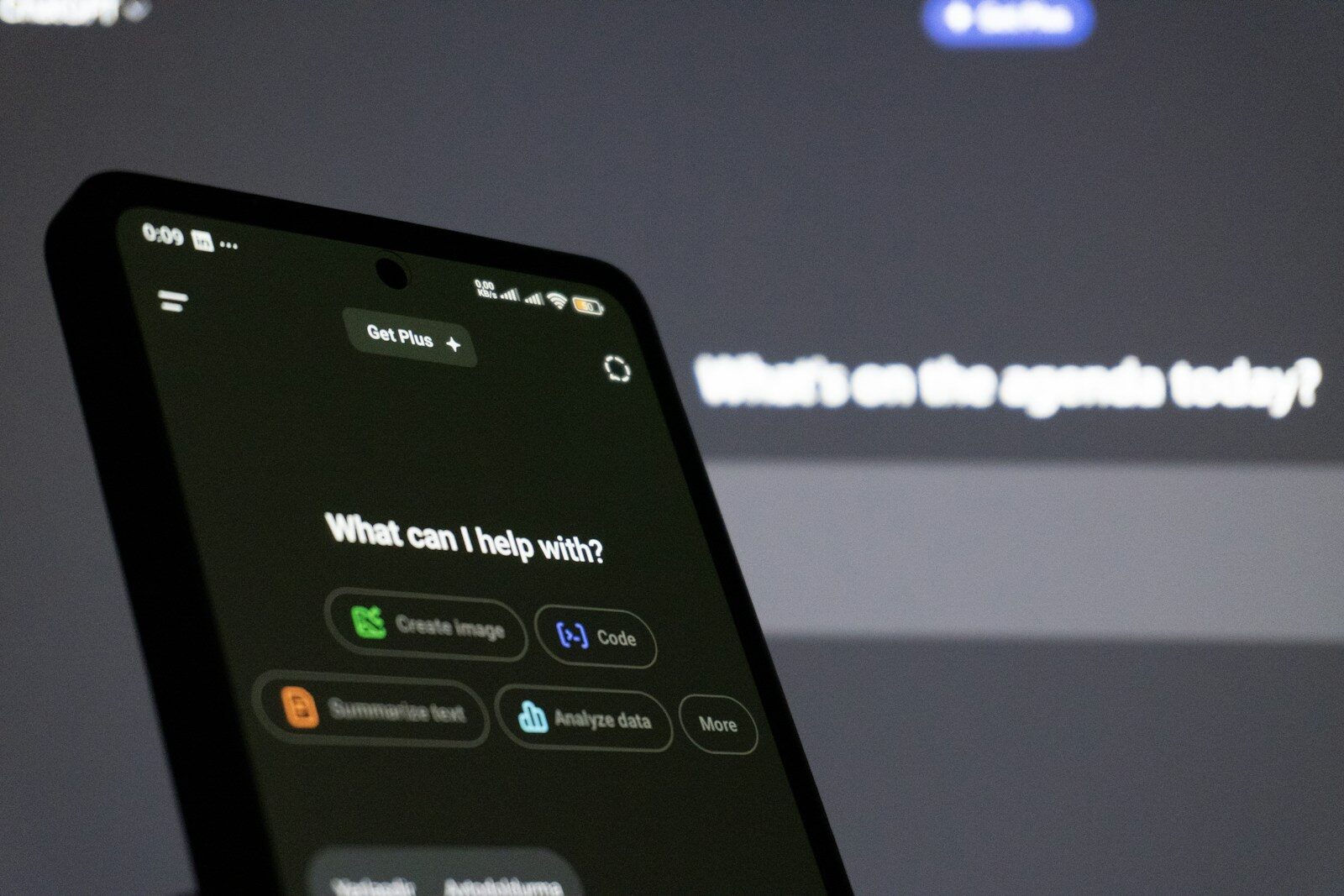
If you are investigating the possibilities for automating your business communications, you are likely considering chatbots and VoIP virtual assistants which tend to come with features like AI call scoring, receptionist capabilities and call recording capabilities. While there are overlapping capabilities, the two terms actually describe two different concepts.
Most marketing materials do not differentiate the two concepts, which is why there is some confusion.
Understanding Chatbots and Virtual Assistants
Whether you use a chatbot or an AI virtual assistant, you are likely getting your money’s worth.
Chatbots handle textual inquiries made on your website, while the virtual assistant will handle all your phone calls (or VoIP calls) with personal touch and attention 24 hours a day.
In the UK, small businesses enjoy the most meaningful exchange with customers via a phone channel, making a simplified system extremely important. Companies like IT support companies who encounter repeated requests, addressing the same problems multiple times per week or even per day, often use chatbots and virtual assistants. Ensuring you capture every opportunity isn’t just good business, it’s necessary for small businesses competing against larger entities.
Small businesses are looking at innovative ways to streamline work processes and with the advancement of AI, there are now a plethora of methods. Chatbots and AI virtual assistants on VoIP phone systems are two very simple and yet, very useful tools small businesses are considering. Here are some frequently asked questions about both:
Are Virtual Assistants and Chatbots the Same Thing?
Virtual assistants and chatbots are not the same. A chatbot responds to queries on a website and is a tool built with either scripted or basic AI and a virtual assistant is an AI tool that is built to interact with a user and assist them with various tasks.
A virtual assistant can answer a call, request and route with the added capability to take messages and deliver the user complex requests. The two systems are not the same and they are designed to solve different issues.
Is an AI Virtual Assistant Good Enough to be a Full Replacement for a Human Receptionist?
An AI virtual assistant can be a receptionist quite well, as it can perform a variety of tasks such as: answering calls, greeting callers, taking and retrieving messages and managing calls and requests that come outside of regular working hours.
A virtual assistant can perform all of these tasks nonstop. For tasks that require human judgment, human relationship management, or problem-solving that is outside the norm, the general consensus is that a human is a better fit for the task.
The AI is expected to handle all tasks that come in high volumes, while humans handle tasks that require more complex thinking.
Will Callers Know That They’re Talking to a Bot?
AI virtual assistants are designed to be less robotic and more user-friendly and because of that, callers don’t find that they are talking to a bot, but rather a well run automated system.
AI virtual assistants can be programmed to interact with callers on the brand’s behalf, so it can be designed with a specific tone tailored to the brand’s system.
What Happens If the AI is Confronted With a Request it Cannot Process?
When your virtual assistant cannot process a request, it will redirect or transfer the request to a human agent. When a query falls outside what it can confidently handle, it escalates the call to a human team member, takes a detailed message, or offers a callback, depending on how you have configured the system.
The goal is always to make the caller feel looked after, not to leave them stuck in an automated loop.