
Enforcement firms across England and Wales are enhancing mental health support for frontline agents following new research which highlights the challenges and pressures of the role.
In a recent survey of member firms within the Civil Enforcement Association (CIVEA), 45% of agents said their mental health has been impacted by anti-social behaviour experienced on the job, with 51% reporting increased levels of stress and anxiety.
These figures underscore the challenging nature of providing an essential public service which collects over £1bn in unpaid debt each year. The money collected by enforcement agents goes towards funding vital local services, including schools, libraries, adult and children’s care, and road repairs.
Industry research also revealed almost half (48%) of the public would react aggressively or with verbal or physical abuse towards an enforcement agent visiting their property despite public sympathy for their role. This is reflected in a recent industry report by the Enforcement Conduct Board (January 2026), which found 1,535 assaults or threats of assault on enforcement agents (between January-June 2025), equal to eight or more assaults every day. 184 assaults were physical and some agents required hospital treatment.
Enforcement firms already provide a wide range of practical resources, enhanced training and on-the-job support to help enforcement agents manage the unique pressures of working in a challenging, public-facing environment, including access to counselling, conflict management, stress management and wellbeing initiatives like yoga and mindfulness.
This holistic approach is seen as a key reason why so many enforcement agents have wanted to work in the industry over a long period of time. In the survey, nearly two-thirds (62%) of respondents said they had worked in the sector for more than seven years.
The spotlight on wellbeing reflects a growing, industry-wide focus on supporting and protecting agents as they carry out vital work in communities, ensuring they have the tools, backing and professional standards needed to deliver positive outcomes for the people they serve. The latest survey has prompted a further positive response from enforcement firms across England and Wales to continue to strengthen their wellbeing resources and professional safeguards.
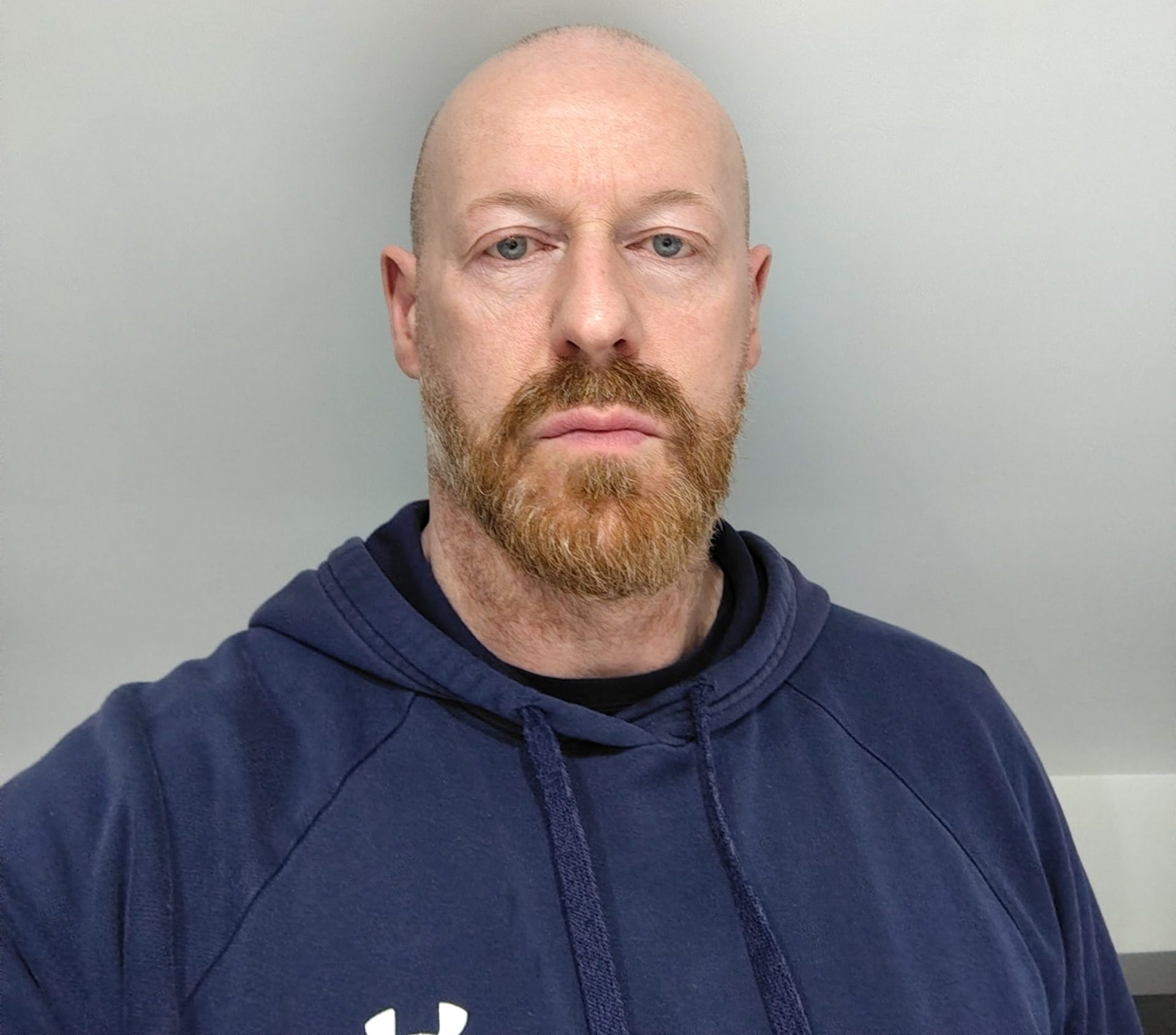
Darren Kilgallon (52), an enforcement agent at Leicestershire-based firm Rundles, praises the support he has received in his 11-year career, including the introduction of body-worn cameras to deter aggressive and antisocial behaviour. Darren also encourages the public to change their perceptions of the enforcement sector.
Darren said: “Although I’m not in a typical customer service role, I do represent Rundles and the wider enforcement industry, and I take responsibility for making a positive impression
“I understand that a lot of people will see what I do in a negative way, but it is important to talk to people in the correct manner to reach the right resolution.
“The support I’ve received at Rundles has been first‑class, with a real emphasis on looking after people, not just performance.
“I would recommend this job if you enjoy meeting people and enjoy problem-solving. I want to change perceptions of enforcement agents because I think if people realise you are also a son, daughter, brother, sister, then they will realise you are a person just doing your job.”
CIVEA member firms offer a variety of physical and mental health support to help agents navigate the challenges of their role, including dedicated advice lines, counselling, wellbeing initiatives like yoga and mindfulness, and specific training to help manage conflict and identify the signs of stress. Many firms also train Mental Health First Aiders to support and signpost colleagues towards wellbeing resources.
Russell Hamblin-Boone, CEO, CIVEA, said: “Enforcement agents carry out an essential public service collecting over £1 billion of unpaid debt, which is vital to enable councils to deliver local services. Enforcement agents often face highly pressurised and emotionally challenging circumstances, and they are regularly required to deal with conflict, vulnerability and distress. It is vital that their own mental health and wellbeing is properly supported.
“The survey findings are a clear reminder that the industry must continue to strengthen the resources available to agents, ensuring they feel safe, valued and equipped to manage the demands of the job.
“CIVEA member firms are committed to fostering a culture where wellbeing is prioritised, whether through training resources or practical support on the ground. By investing in our people, we are not only protecting those working in enforcement, but also helping to ensure better outcomes for the communities they serve.”
CIVEA is the principal trade association representing civil enforcement agencies in England and Wales. CIVEA represents approximately 40 firms that make up more than 95% of the entire enforcement industry.