
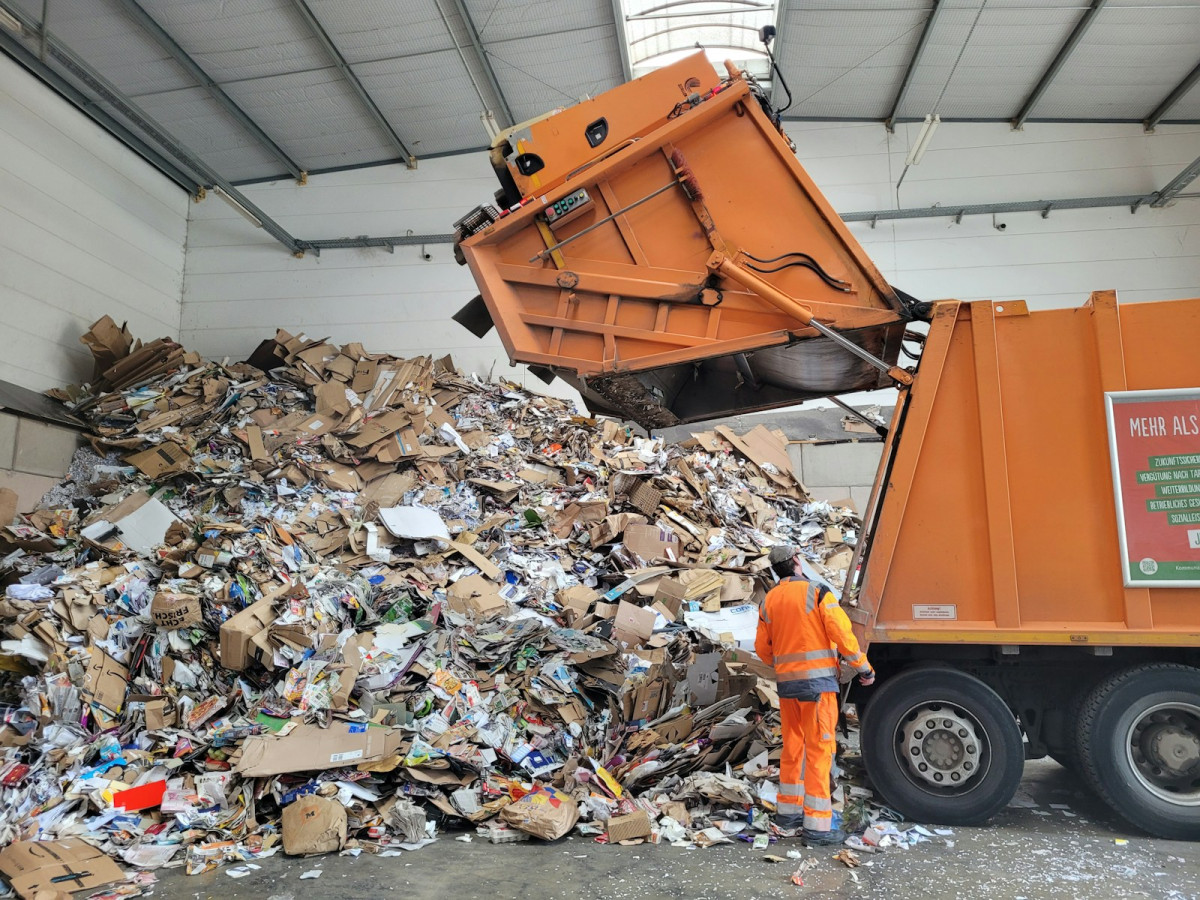
In the modern business landscape, operational efficiency is a necessity, not just a luxury. While digital transformation dominates headlines, physical waste management remains an overlooked frontier. Cardboard, plastic, and polystyrene waste accumulate daily in retail, logistics, hospitality, and manufacturing sectors. Yet few decision-makers realise that this clutter is more than a nuisance. It is a missed opportunity.
The hidden cost of cardboard
Cardboard packaging is everywhere. It arrives with shipments, surrounds products, and fills storerooms. Left unmanaged, it consumes valuable space, increases fire risk, and inflates waste disposal costs.
Traditional waste bins overflow quickly, leading to frequent pickups and rising container rental fees. The solution is not more bins. It is smarter compression.
Balers: the quiet workhorses of lean operations
Balers are machines designed to compress recyclable materials into dense, stackable bales. They transform chaos into order. One single baler can reduce cardboard volume by up to 90 percent.
This means fewer trips to external containers, lower transport costs, and a cleaner, safer workspace. For businesses pursuing lean principles, balers are no longer optional. They are essential.
A machine with multiple gains.
The benefits of balers extend far beyond waste reduction. They contribute to:
- Improved workflow by clearing clutter from operational zones
- Lower environmental impact through increased recycling rates
- Enhanced compliance with waste handling regulations
- Potential revenue from selling compacted recyclables
These gains are not theoretical. They are measurable. Businesses that implement balers often report faster turnaround times, reduced labour hours spent on waste, and improved morale among staff.
A strategic investment with immediate returns
Unlike large-scale infrastructure upgrades, balers require minimal installation space and training. They integrate seamlessly into existing operations. Whether placed in a warehouse corner or behind a retail counter, they begin delivering value from day one. For companies unsure about commitment, rental models and trial periods offer flexibility without risk.
Midway through this transformation, many businesses discover the reliability and performance of Mil-tek balers, which have become synonymous with compact efficiency across multiple industries.
Choosing the right baler for your business
Selecting a baler is not a one-size-fits-all decision. Key factors include:
- Type of waste: Cardboard, plastic, or polystyrene
- Volume of waste: Daily or weekly output
- Available space: Floor area and ceiling height
- Power supply: Electrical requirements
- Staff capacity: Number of users and training needs
Consulting with waste management experts can help identify the optimal model and configuration. Some providers offer free site surveys to assess current workflows and recommend tailored solutions.
Looking ahead: waste as a strategic asset
As sustainability becomes central to corporate strategy, waste management must evolve. Balers represent a shift from reactive disposal to proactive resource handling. They align with environmental goals, reduce operational friction, and unlock hidden efficiencies.
For business leaders reading between the lines of quarterly reports and ESG metrics, the message is clear. Waste is not just a problem. It is a lever for performance. And the right baler is the tool that turns that lever.