
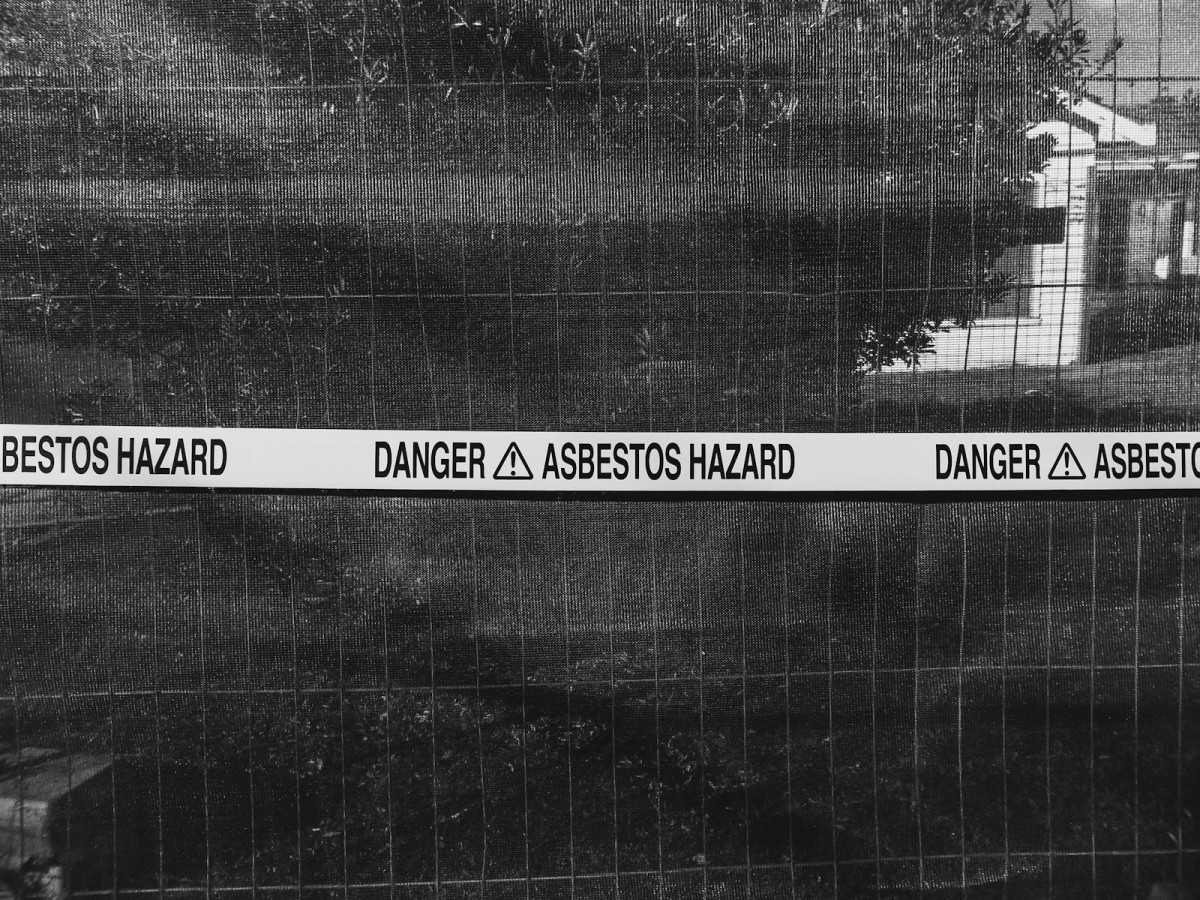
Asbestos remains one of the most serious workplace health hazards in the UK, despite being banned more than two decades ago. Thousands of buildings still contain asbestos materials, and workers who carry out maintenance, refurbishment, or demolition tasks continue to face potential exposure. While not all asbestos work requires a licence, non-licensed asbestos work still carries significant risk, which is why proper training is absolutely essential.
Understanding Non-Licensed Asbestos Work
Non-licensed asbestos work refers to tasks involving asbestos-containing materials (ACMs) that are considered lower risk. These are jobs where asbestos fibres are firmly bound within another material, such as cement, textured coatings, or vinyl floor tiles. Examples include drilling small holes, sealing or encapsulating asbestos surfaces, or carefully removing intact asbestos cement sheets.
Although these activities don’t require a licence from the Health and Safety Executive (HSE), they still involve handling asbestos. Without the right knowledge, workers can easily release harmful fibres into the air, putting themselves and others at risk. Training ensures that even lower-risk work is carried out safely, legally, and effectively. Boss Training provides a Non-Licensed Asbestos Removal Course which is UKATA approved.
Why Training Is a Legal Requirement
Under the Control of Asbestos Regulations 2012, employers have a duty to make sure that anyone who may disturb asbestos as part of their work receives the right level of training. This applies whether the work is licensed, notifiable non-licensed (NNLW), or non-licensed.
Training is not just a box-ticking exercise, it’s a legal obligation. The law recognises that even small tasks can lead to dangerous exposure if carried out incorrectly. Therefore, workers who may come across asbestos must understand how to recognise it, assess risks, and use safe working methods.
Without training, workers may unknowingly damage asbestos materials, release fibres, or dispose of waste improperly, all of which can have serious legal and health consequences.
Protecting Health and Preventing Exposure
Asbestos fibres are microscopic and easily inhaled. Once in the lungs, they can cause fatal diseases such as asbestosis, lung cancer, and mesothelioma, often developing decades after exposure.
Proper training helps workers understand how to avoid disturbing asbestos unnecessarily and how to protect themselves when it can’t be avoided. Key elements include:
- Identifying different types of asbestos and where they are commonly found.
- Using correct tools and techniques to minimise dust.
- Wearing and maintaining suitable respiratory protective equipment (RPE) and disposable overalls.
- Implementing safe waste handling and decontamination procedures.
When workers know how to control exposure, the risk of fibre release drops dramatically, protecting not just them, but also other tradespeople, building occupants, and the public.
Building Confidence and Competence
Training gives workers the confidence to handle asbestos situations calmly and correctly. Many non-licensed asbestos jobs occur during routine maintenance, where workers might not expect to encounter ACMs. With the right training, they’ll recognise potential hazards and know how to respond, for example, by stopping work, isolating the area, and contacting a competent person.
Confidence also leads to competence. Trained workers make better decisions, follow safe systems of work, and maintain high standards of personal safety and hygiene. This reduces accidents, improves efficiency, and builds a stronger safety culture across the organisation.
Reducing Legal and Financial Risks for Employers
For employers, investing in asbestos training is not just about compliance, it’s about risk management. Failing to provide training can lead to prosecution, fines, compensation claims, and reputational damage.
Well-trained workers are less likely to cause accidental contamination, which can be costly to clean up. They’re also better equipped to identify when a task exceeds the non-licensed threshold and requires specialist contractors. By ensuring your team is properly trained, you reduce the likelihood of breaches and costly delays.
Promoting a Safer Work Culture
Effective asbestos training fosters a proactive safety culture. Workers who understand the dangers of asbestos are more likely to take precautions seriously, report damaged materials, and look out for each other on site.
This culture of awareness extends beyond individual projects, it improves communication, encourages compliance, and supports a long-term commitment to health and safety. In industries like construction, maintenance, and facilities management, that culture is vital.
Even though non-licensed asbestos work is classed as lower risk, it still carries potentially deadly consequences if mishandled. Training ensures that everyone involved knows how to identify asbestos, manage the risk, and follow safe procedures from start to finish.
Whether you’re an employer, supervisor, or tradesperson, remember: non-licensed doesn’t mean non-dangerous. Investing in proper asbestos training is one of the simplest and most effective ways to protect your workforce, stay compliant with the law, and create a safer working environment for everyone.