
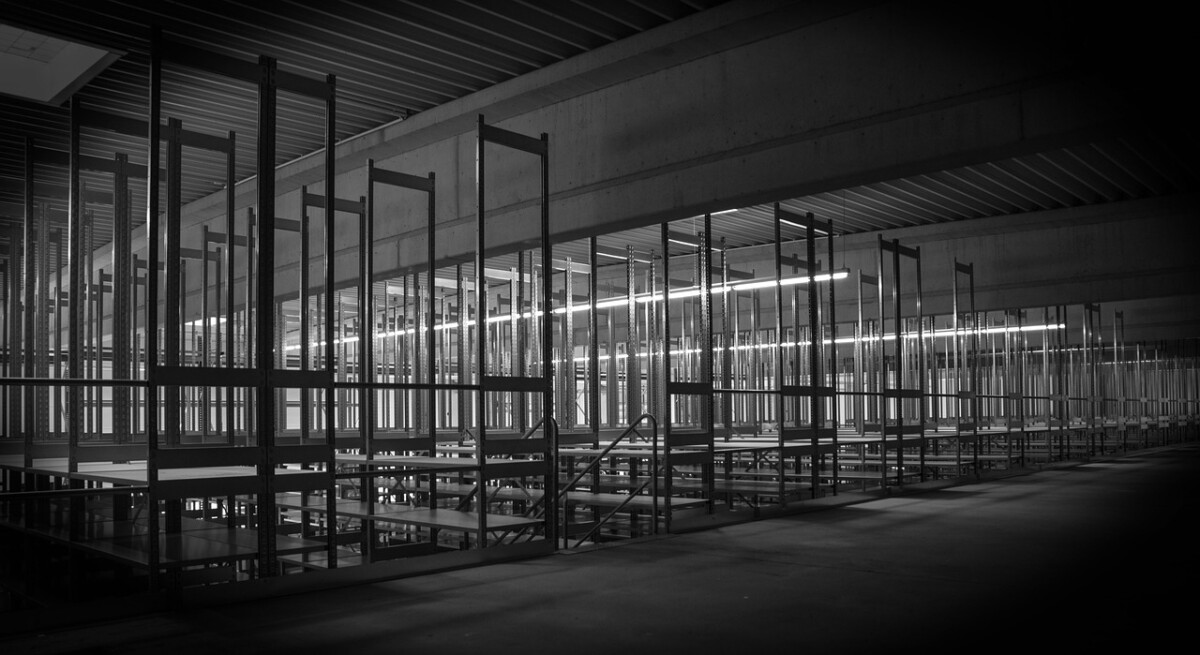
Running a warehouse is a constant balancing act. Space is limited, demand is unpredictable, and safety must always remain a priority. As businesses grow, many find that traditional storage methods quickly reach their limits. That is why more operators are turning to pallet racking as a practical way to increase capacity while keeping daily operations efficient and safe.
The role of pallet racking in modern warehousing
Warehouse pallet racking is designed to make better use of vertical space, allowing goods to be stored securely at height and accessed by forklifts when needed. This approach transforms a warehouse by freeing up valuable floor area, improving stock organisation, and ensuring that products can be handled quickly and safely.
By stacking upwards instead of outwards, companies avoid the cost of acquiring larger premises or building costly extensions. In many cases, a carefully planned racking system can double the usable storage capacity of an existing warehouse.
Types of racking systems
There is no single solution that fits every operation, which is why pallet racking comes in different forms. Adjustable pallet racking is the most common option and is ideal for businesses that need direct access to every pallet. For high-density storage, push back or drive-in systems allow goods to be stored several pallets deep, making the best use of available space. Cantilever racking is designed to hold awkward or oversized materials such as timber, steel beams, or pipes.
For cold stores and food distribution centres, drive-in and mobile racking often deliver the best results by reducing wasted aisle space and keeping goods secure in a temperature-controlled environment. Fast-moving consumer goods warehouses, on the other hand, often prefer adjustable racking because it supports quick picking and efficient stock rotation. These variations highlight the importance of tailoring a solution to the needs of each business.
Planning for efficiency
Installing pallet racking is not simply about fitting steel uprights and beams. It begins with understanding how a warehouse operates day to day. Traffic flow, pallet sizes, handling equipment and even ceiling height must be considered. A poorly designed layout can create bottlenecks and slow down productivity, while a well-planned system will reduce unnecessary movements and make picking more accurate.
Businesses that invest time in the design stage often see faster order fulfilment, smoother workflows, and less downtime caused by congestion. This planning also helps avoid future disruptions, as a system designed with flexibility in mind can be expanded or adapted as the business grows.
Keeping safety at the forefront
Racking must be built to carry heavy loads, which makes safety an essential part of planning and maintenance. Professional design and installation ensure that the system can handle the required weight, while regular inspections help identify damage or overloading before it becomes a risk.
In the UK, many operators arrange annual SARI racking inspections in line with HSE guidance. These independent assessments provide peace of mind and keep systems compliant. Prompt repairs are equally important, as even minor damage can compromise the integrity of a structure if left unchecked. Training staff to recognise potential hazards, such as bent uprights or dislodged beams, also plays an important role in maintaining a safe environment.
Long-term value for businesses
Investing in pallet racking delivers benefits that extend far beyond storage. A well-designed system improves efficiency, supports safer working conditions, and allows a business to handle higher volumes without expanding its footprint. Over time, these gains reduce operational costs, limit downtime, and make it easier to meet customer expectations.
For warehouses under pressure to do more with less, pallet racking provides a reliable and scalable foundation for growth. It is a system that not only makes space work harder but also protects people, products, and the bottom line. With the right planning, regular inspections, and a commitment to safety, pallet racking can continue to deliver value for many years to come.