
Written by Harry Turnbull
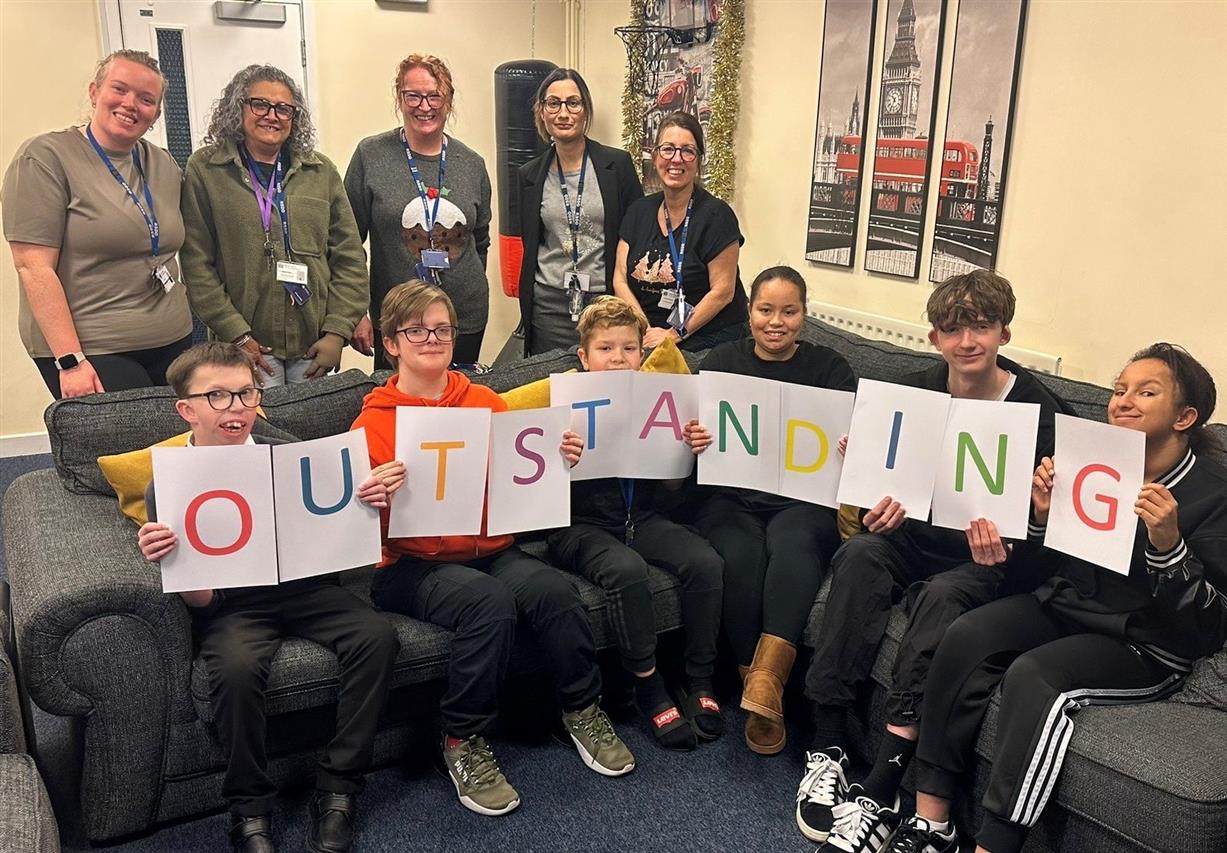
Staff and young people at Derby’s Royal School for the Deaf went home for Christmas with a ringing endorsement from Ofsted who rated the residential unit Outstanding.
Government inspectors described the leadership of the school as passionate, dedicated and inspirational, while morale of staff was deemed the ‘best it has ever been’ which in turn creates a ‘happy and harmonious environment for children’.
Government inspectors described the leadership of the school as passionate, dedicated and inspirational, while morale of staff was deemed the ‘best it has ever been’ which in turn creates a ‘happy and harmonious environment for children’.
Students who live at the Ashbourne Road site during the week said staff are “supportive, kind, caring and the best”. The inspection in November described them as highly skilled, excellent role models who are “very attuned to the emotional well-being of children”.
The Ofsted report rated the school outstanding in all areas, including how well children and young people are helped and protected and the effectiveness of leaders and managers.
One parent told the inspection team that their child gets to have many new and exciting experiences and “we couldn’t ask for more”.
Head teacher Paul Burrows said: “I am very proud of everyone at our school, this report is testament to a lot of hard work and dedication from the entire team. We work hard to show students at our school that being deaf is never a barrier to success and I am very pleased the inspectors recognised that we have high aspirations and ambitions for our pupils.”
The report states “Staff are truly aspirational for the children. A number of the staff are deaf and are aware of the barriers that exist in society for individuals who are deaf. Staff work hard with children to equip them with skills to overcome these challenges and to provide children with a wide range of experiences that help with social development and increase children’s resilience.
“Children are encouraged and supported to take part in activities that provide them with new experiences. For example, they go to the theatre, a climbing centre, rollerskating, have shopping trips and attend local clubs.
“All the children are polite and respectful, and their interactions with all staff were positive. Staff are approachable and children seek reassurance from them when needed. This means that there is a culture of inclusiveness that crosses the whole of the school and residential provision. Because of this, children feel safer.”
About a fifth of the 105 pupils at the non-maintained special school live in the residential provision from Monday to Friday.