
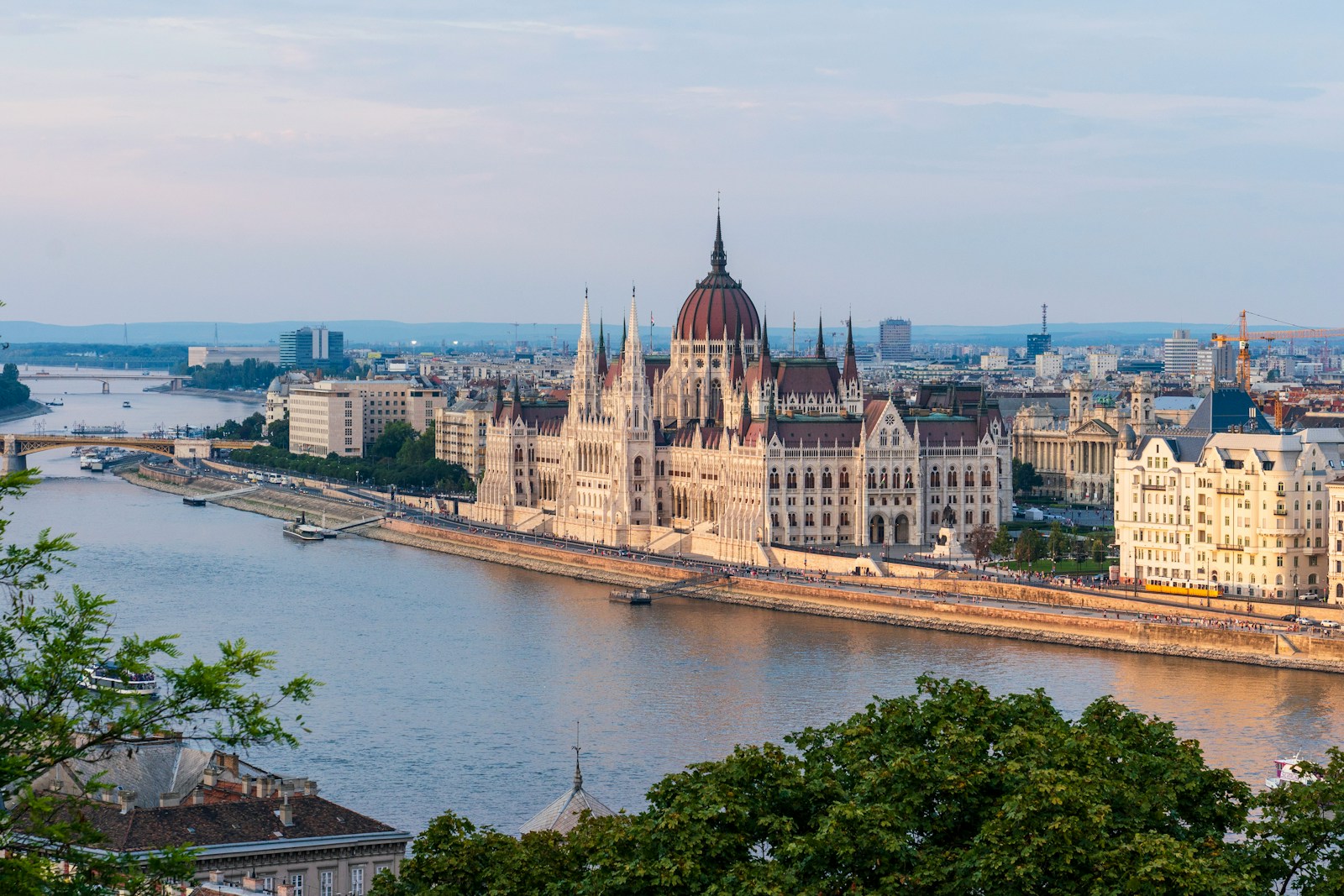
1. Understand the Business Culture
Before you start packing your bags, get acquainted with Hungarian business etiquette. Punctuality is important here: being on time is a sign of respect. Arrive at meetings a few minutes early, and you’ll have a great first impression.
Remember formal greetings: a firm handshake and direct eye contact are standard. Conservative and professional clothing is expected in most corporate settings, especially in Budapest, though it could depend on the business.
When it comes to communication style, remember that Hungarians tend to be direct and appreciate honesty. After a brief introduction, it’s common to go straight to the point.
2. Visas and Entry Requirements
Hungary is part of the Schengen Zone, so entry requirements depend on your nationality. No visa is needed for EU and EEA citizens; you can enter with a national ID or passport. For U.S., Canadian, Australian, and Japanese citizens, entering the country for up to 90 days is visa-free within 180 days.
Other countries may require a Schengen business visa; look for additional information before traveling.
3. Getting Around: Transportation Tips
If your business agenda involves traveling outside of Budapest—such as visiting factories, suppliers, or partners in smaller cities—look for car rental in Hungary. Most providers offer English-speaking customer service, and international driving permits are usually accepted. Be sure to purchase a vignette (digital highway toll sticker) if it’s not included in your rental.
While driving in Budapest is possible, traffic and parking can be challenging, so public transportation or taxis might be more efficient within the capital.
4. Where to Stay: Accommodation Tips
Professionals often prefer hotels with specific amenities like reliable Wi-Fi and convenient locations. Budapest offers a range of elegant and comfortable hotels catering to business travellers in every district downtown.
5. Dining and Entertaining Clients
Hungary has a rich culinary tradition, and business meals are important to build relationships. Lunch meetings are more common than dinners for formal discussions, but after you’re done with business, you can visit a high-end bar or restaurant to celebrate. Fine dining restaurants such as Costes or Borkonyha offer elegant settings for client entertainment.
A 10-15% tip is customary, but only if it’s not already included in the bill. Hungarian cuisine is heavy on meat and dairy, but vegetarian and international options are widely available in the capital.
6. Safety and Health
Hungary is generally a safe country for travellers; however, a few tips will help you stay secure. Like any major city, Budapest has some petty crime, especially in tourist areas and on public transport, so keep an eye on your belongings.
Dial 112 for any emergency, including medical or police assistance.
7. Language barriers
While Hungarian is the official language, English is widely spoken in business circles, especially among younger people. Most signs in Budapest include English translations. If you’re dealing with smaller companies or rural areas, you could consider hiring a translator, but they will probably arrange bilingual meetings for your convenience.
Enjoy Your Stay!
Hungary is a dynamic and welcoming destination for business professionals and offers an ideal environment for building international partnerships. By preparing in advance, understanding the local business culture, and taking advantage of practical resources like a car rental in Hungary, you’ll be well-positioned for a smooth, productive, and enjoyable trip—you may even return someday for vacation!